Notes from the Librarian

On Children’s Books,
Their Makers & Their Houses

Essays on the literary traditions, artists, awards, and publishers that make up Aliénor’s library — a small collection with an outsized world behind it.

Literary Traditions

🇫🇷

The French Album: Art Before Lesson

The single most important thing to understand about the French children’s book — the album — is a philosophical conviction so deeply held it is almost never stated aloud: babies and toddlers deserve art, not condescension.

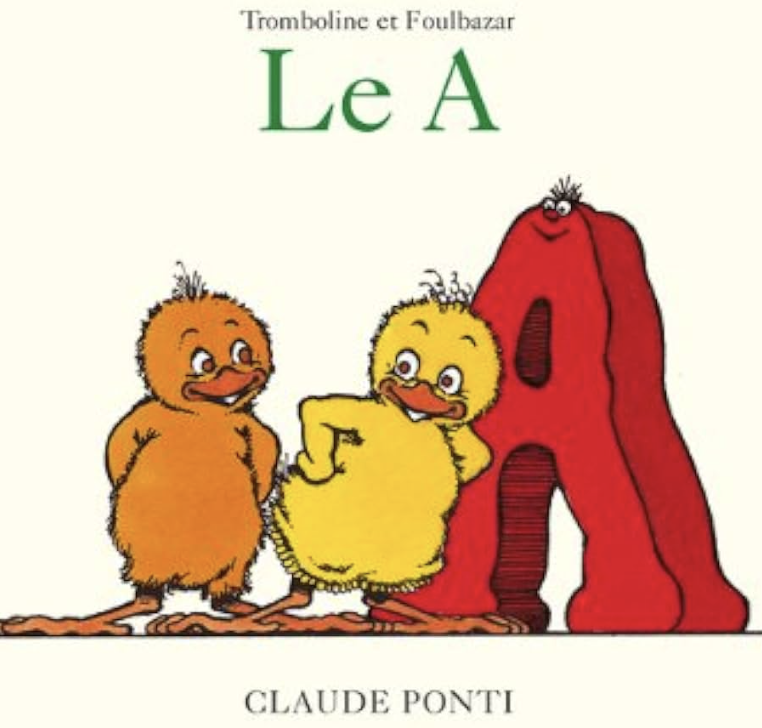
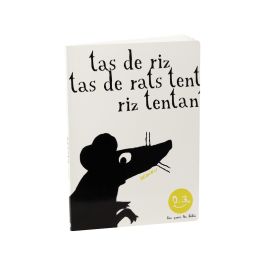
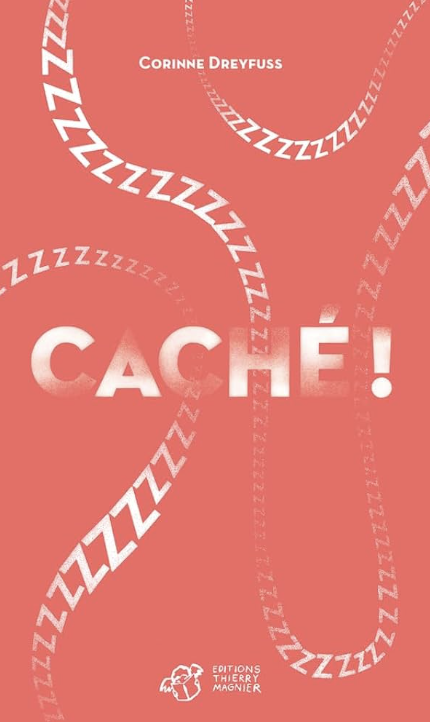
This sounds like a platitude until you see what it means in practice. Thierry Dedieu gives infants Cyrano de Bergerac — the actual tirade du nez, in alexandrines — printed in oversized black-and-white because developmental research shows newborns see contrast better than color. Claude Ponti gives two-year-olds surrealist comedy in which chicks discover that the letter A can express wonder, terror, laughter, and disappointment depending entirely on how you say it. Corinne Dreyfuss published a 66-page “novel for babies” with no illustrations whatsoever — only typographic play — and it consistently captivates nine-month-olds. Beatrice Alemagna gives toddlers acetate pages exploring impermanence: a scratch heals, a cold passes, fear fades, but love — love never goes away.

None of these creators would describe themselves as making ‘educational’ books. They are making art that happens to arrive in a format small hands can hold.

The contrast with the American tradition is instructive. American picture books tend toward narrative resolution, emotional sincerity, and — at their best — profound psychological drama. The French album tends toward aesthetic experience, philosophical ambiguity, and comfort with darkness and irresolution. American endings resolve; French endings linger. A Sendak book processes rage. A Ponti book invites you to live inside it.

We are a Puritan country. We will never be as cool as you.

Susan Van Metre

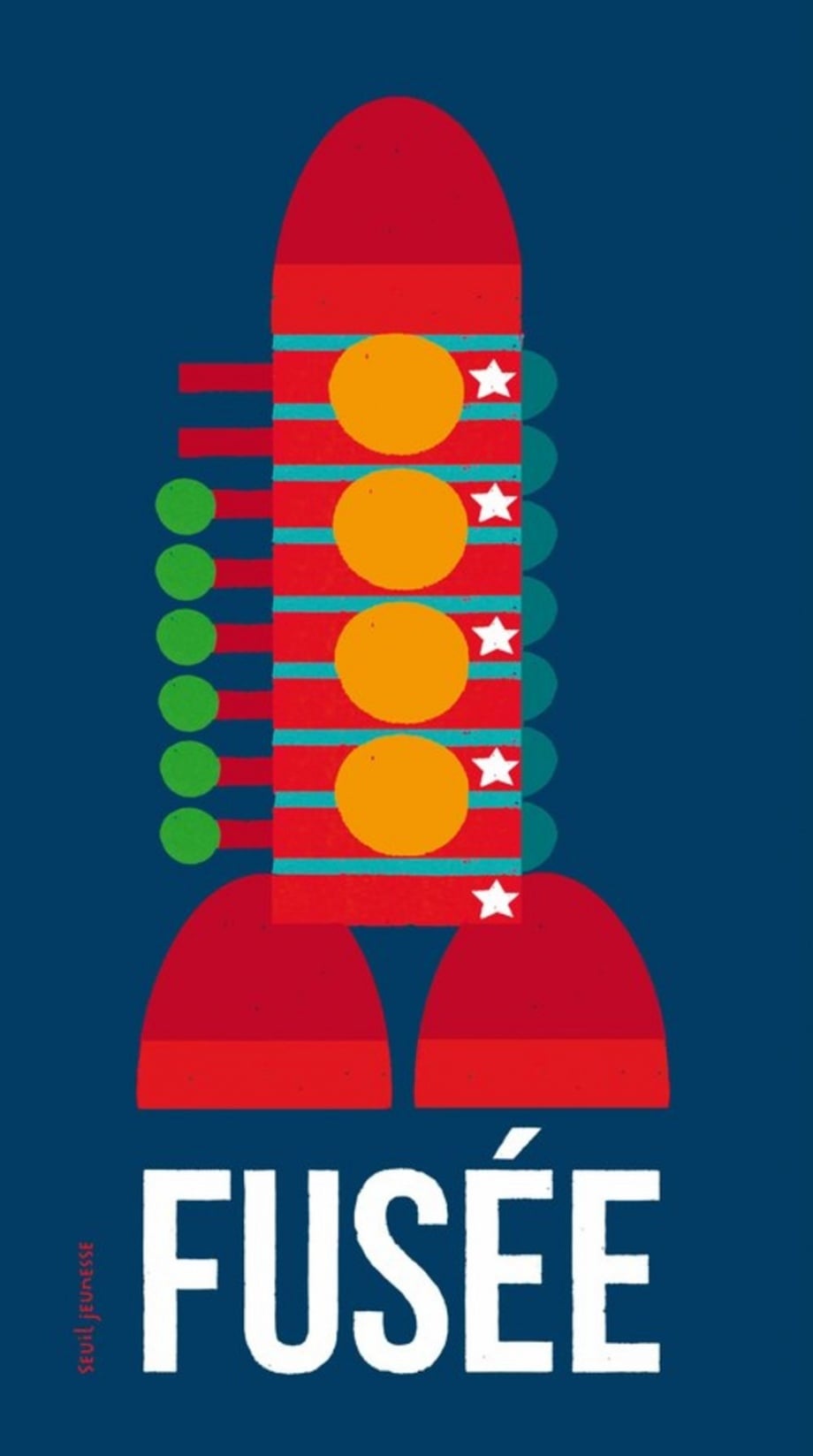
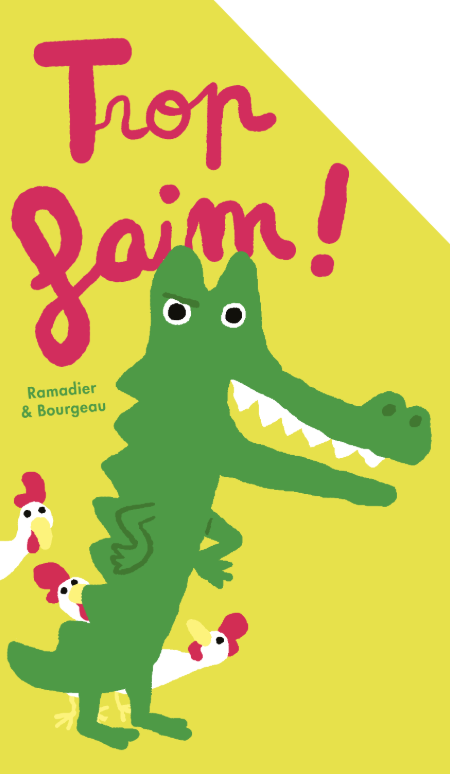
The physical book matters in a way it rarely does in Anglo-American publishing. Édouard Manceau’s Fusée is tall and vertical because it is a rocket. Ramadier and Bourgeau’s Le Livre en colère is bright red because the book itself is angry — and it slowly changes color as it calms down. Adrien Parlange’s Le Ruban contains a physical yellow ribbon bookmark that becomes, on successive pages, a snake’s tongue, a tightrope, a fishing line. The French album doesn’t illustrate a story; it is an object whose form generates meaning.

The institutional infrastructure supporting this philosophy is formidable. The Prix Sorcières has a dedicated “Tout-Petits” category for ages 0–3 — treating picture books for the very youngest as a serious art form worthy of the same critical attention as any adult literary prize. Forty percent of all children’s books published in France are translations, compared to a tiny fraction in the United States — meaning French children grow up encountering visual and narrative traditions from around the world. Publishers like MeMo (Nantes) print on offset paper close to drawing paper for vivid, tactile color. Les Grandes Personnes invest in extraordinary production quality for board books. Seuil Jeunesse publishes Dedieu’s oversized black-and-white formats because they believe the physical book is an artistic medium, not merely a delivery vehicle for text.

The result is a tradition that consistently produces work no other national publishing culture quite matches for the 0–3 age range. France didn’t invent the picture book — that credit belongs to Randolph Caldecott in Victorian England. But France may have invented the conviction that the picture book, at its best, is a first encounter with beauty itself.
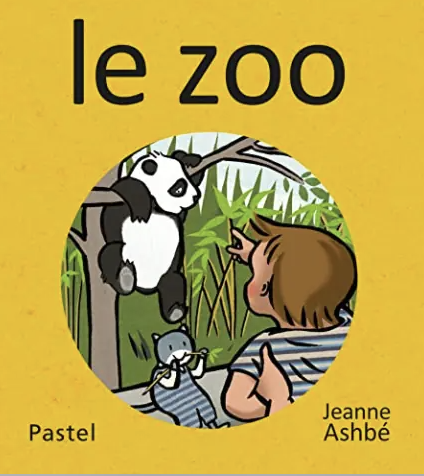
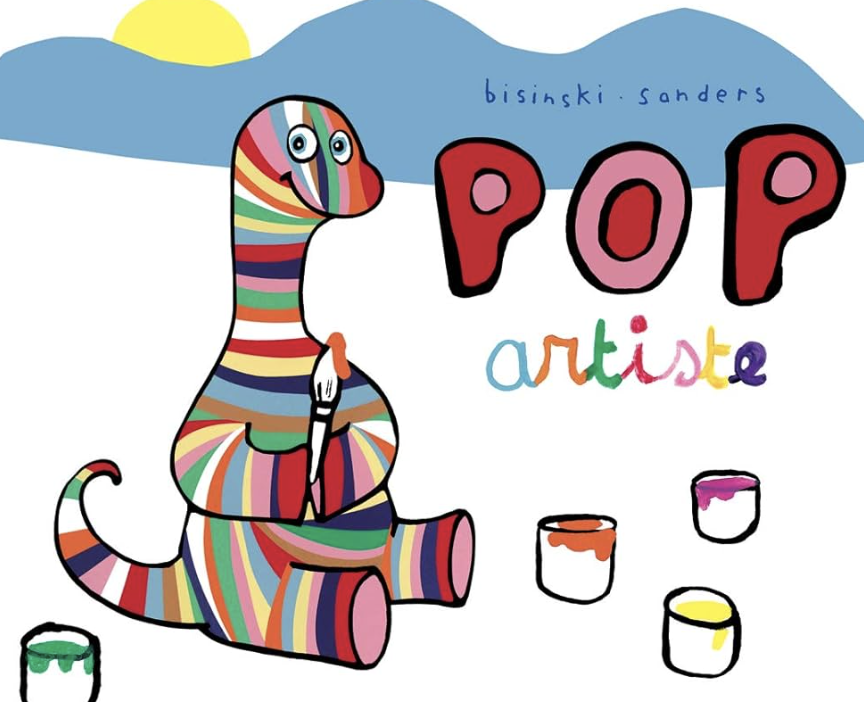
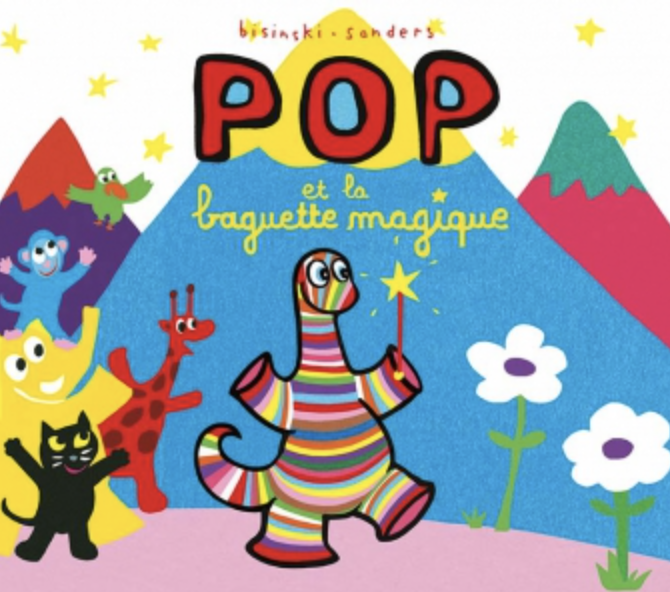
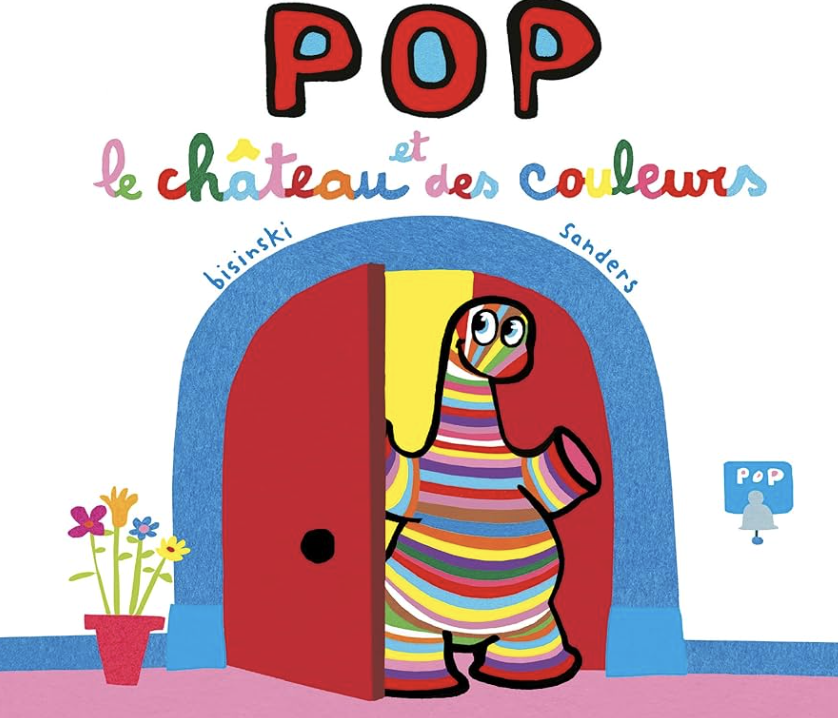
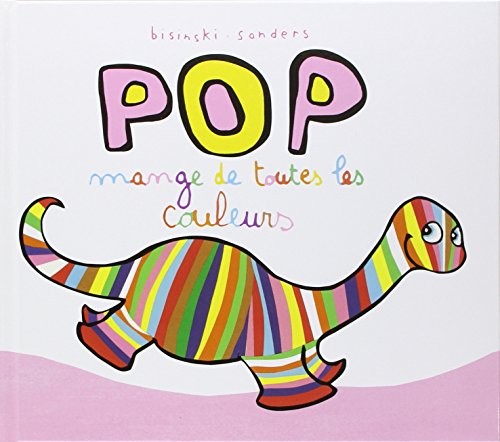
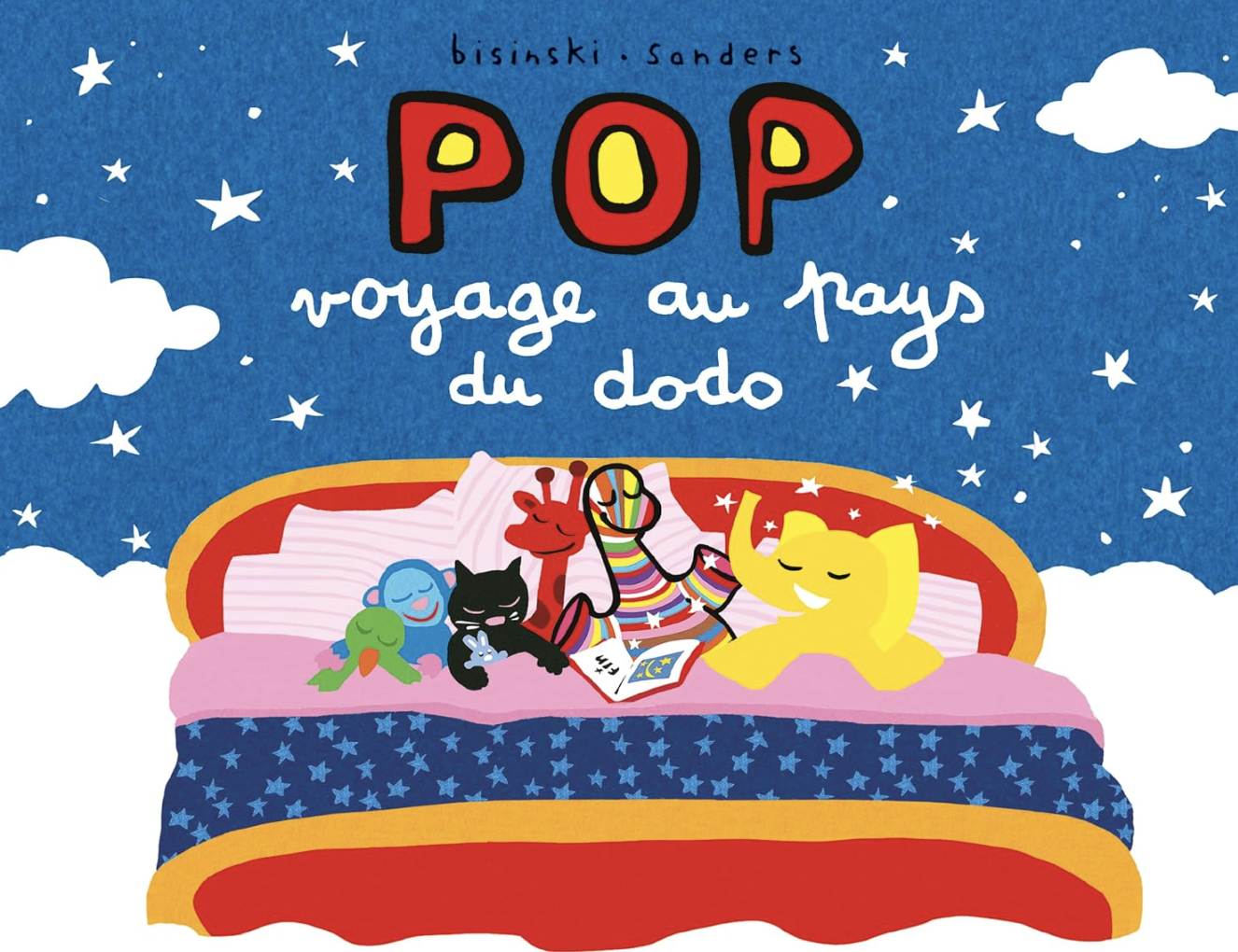
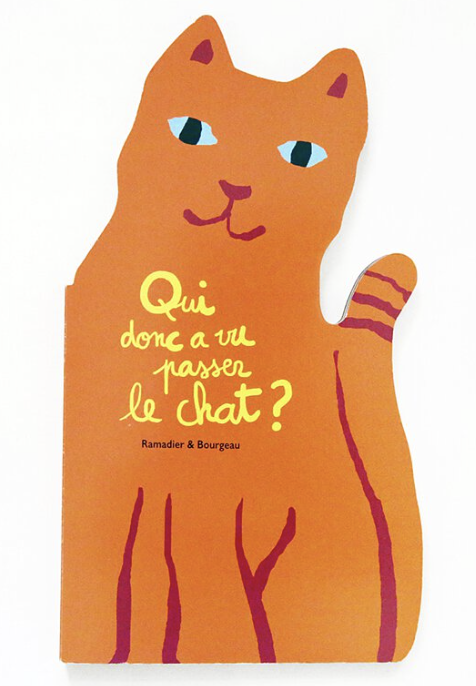
Claude PontiÉdouard ManceauThierry DedieuBeatrice AlemagnaJeanne AshbéRamadier & BourgeauAlain Le SauxAdrien ParlangeSanders & Bisinski
🇬🇧

The British Tradition: The Comedy of Irresolution

The British picture book has a fundamentally different relationship to absurdity than either its French or American counterparts. The French give children surrealism — dreamscapes that obey their own internal logic. The Americans give children psychological drama — Wild Things that embody real rage. The British give children nonsense — situations that defy sense entirely, presented with absolute deadpan composure, and then refuse to explain themselves afterward.

The root is Edward Lear (A Book of Nonsense, 1846) and Lewis Carroll (Alice’s Adventures in Wonderland, 1865) — two Victorians who discovered that children don’t need logic, morals, or resolution to be captivated. They need language that sounds delicious and situations that resist interpretation.

That pleasure and meaning are not the same thing — is Britain’s single greatest contribution to children’s literature.

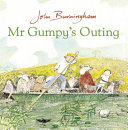
Follow the thread forward and you arrive at a tradition defined by what it doesn’t do. Judith Kerr’s tiger rings the doorbell, eats everything in the house including all the water in the taps, and leaves. Nobody is alarmed. The family goes out for sausages and buys a tin of tiger food, just in case. The child feels, obscurely, that something enormous has happened — but nobody processes it. John Burningham’s Mr Gumpy invites animals into his boat. All are told to behave. Nobody does. The boat capsizes. Everyone walks home for tea, and Mr Gumpy invites them back another day. No consequences. No lesson. Just cheerful catastrophe followed by civilized forgiveness.

David McKee’s Not Now, Bernard is perhaps the tradition’s purest expression. Bernard tries to tell his parents about a monster in the garden. They say “Not now, Bernard.” The monster eats Bernard. The monster enters the house. The parents still say “Not now, Bernard.” There is no rescue, no restoration, no moral. The cold, perfect ending has no equal in children’s literature. It is simultaneously hilarious for three-year-olds and quietly devastating for adults — a satire of parental inattention so precise it needs no commentary.

This comfort with irresolution is the British signature move. Where the American tradition tends toward emotional sincerity and the French toward aesthetic experience, the British tradition trusts children with irony — the gap between what is said and what is happening. Pat Hutchins’s Rosie’s Walk (1968) is the masterpiece of this technique: the text simply describes a hen walking around the farmyard, while the pictures show a fox repeatedly and catastrophically failing to catch her. The hen never notices. The child sees everything the words don’t say. The comedy is structural, not verbal — a visual irony so elegant it works from eighteen months.

The same principle extends to language. Where the French tradition celebrates the musicality of words (Manceau’s phonemic cascades, Ponti’s neologisms), the British tradition celebrates their absurdity. Michael Rosen’s performance poetry turns everyday life into linguistic slapstick. Julia Donaldson’s verse in The Gruffalo achieves the precision of light verse while telling a story about bluff and double-bluff. Kes Gray’s Oi Frog! takes the English language’s love of rhyme to logical absurdity: frogs sit on logs, cats sit on mats, but where does a gnu sit?

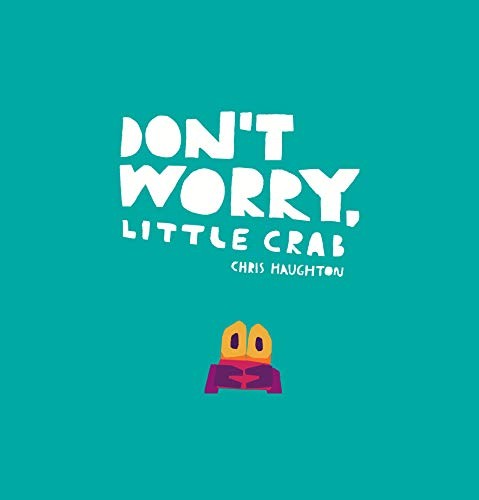
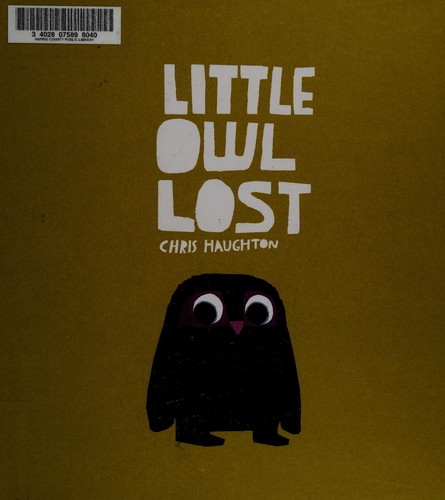
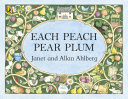
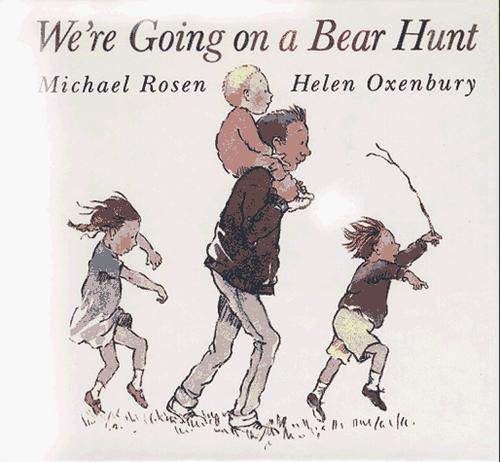
The tradition also has a distinctive visual register. British illustrators tend toward warmth, intimacy, and domestic scale. Janet Ahlberg’s sunlit watercolors in Each Peach Pear Plum. Shirley Hughes’s pen-and-wash depictions of real family life. Helen Oxenbury’s expressive, imperfect babies. Quentin Blake’s scratchy, energetic line. Chris Haughton’s bold flat-color design. Even when the stories are absurd, the illustrations feel like home.

Edward LearJudith KerrJohn BurninghamDavid McKeethe AhlbergsPat HutchinsMichael RosenHelen OxenburyChris HaughtonQuentin BlakeJulia Donaldson
🇺🇸

The American Picture Book: Narrative as Cathedral

If the French album is an art object and the British picture book is a comedy routine, the American picture book is, at its most characteristic, a narrative built with the structural ambition of architecture.

This is a tradition shaped by the Caldecott Medal — awarded since 1938, adjudicated by fifteen librarians who evaluate artistic technique, story interpretation, and excellence of pictorial presentation — which has, for nearly ninety years, told American illustrators what the culture considers the highest achievement in visual storytelling for children. The Medal’s gravitational pull has produced a tradition that rewards ambition, emotional depth, and formal innovation in roughly equal measure.

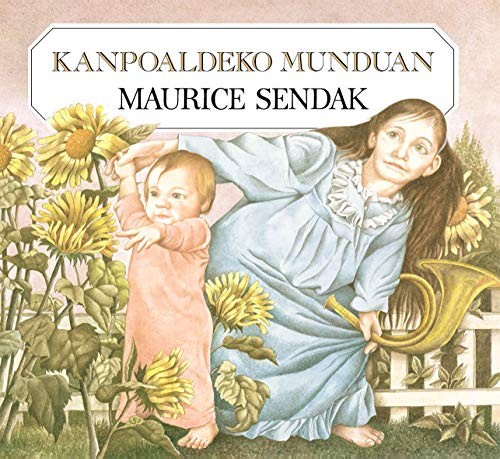
The hinge point came in 1962–1964. Ezra Jack Keats’s The Snowy Day (1963 Caldecott Medal) was a dual earthquake — technically (collage of patterned papers, fabric, and marbled paper, introducing fine-art technique to the genre) and culturally (the first full-color mainstream picture book featuring an African American protagonist, whose race is never mentioned, simply present). The following year, Maurice Sendak’s Where the Wild Things Are broke every remaining rule: pictures grow progressively larger as Max’s imagination expands, bursting across full double-page spreads for the wordless “wild rumpus,” then shrinking back as he returns to reality. It was the first picture book to honestly address children’s anger and validate it. Together, Keats and Sendak made 1962–1964 the divide between everything that came before and everything that followed.

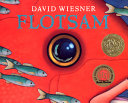
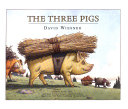
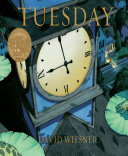
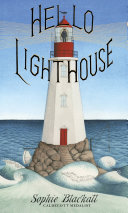
What followed was extraordinary. David Wiesner won three Caldecott Medals — for Tuesday (1992), The Three Pigs (2002), and Flotsam (2007) — proving that wordless, surrealist narratives could be judged at the pinnacle. Jerry Pinkney became the first individual African American artist to win the Caldecott, at age seventy, for a wordless Aesop retelling in luminous watercolor. Jon Klassen pioneered deadpan visual irony where pictures deliberately contradict text — a small fish steals a hat, rationalizing the theft in breezy narration while the illustrations silently prove he is doomed. Sophie Blackall won twice, using Chinese ink and watercolor in formats that echo their subjects: Hello Lighthouse is tall and narrow because it is a lighthouse.

The American tradition’s most important artistic development of the past decade has been a diversity revolution that is genuinely an artistic event, not merely a political one. The range of visual languages entering American picture books — Michaela Goade’s Indigenous Tlingit watercolors, Duncan Tonatiuh’s Mixtec codex-inspired line work, Javaka Steptoe’s found-object assemblage mirroring Jean-Michel Basquiat’s neo-expressionism, Kadir Nelson’s museum-quality oil paintings — has made the field more formally inventive than at any point in its history.

The American tradition also has its own blind spot, which is the flip side of its narrative ambition: a tendency toward moral earnestness. American picture books want to mean something — to teach empathy, validate feelings, model good behavior. At their best (Sendak, Klassen, Wiesner), they transcend this impulse through sheer artistic force.

At their worst, they become what the French call livres médicaments — ‘medicine books’ prescribed to address a specific developmental concern.

The British and French traditions are more comfortable leaving children to draw their own conclusions. But the American tradition’s seriousness about narrative — its conviction that a story told in thirty-two pages can carry the emotional weight of a novel — has produced masterpieces that neither of the other traditions could have generated.

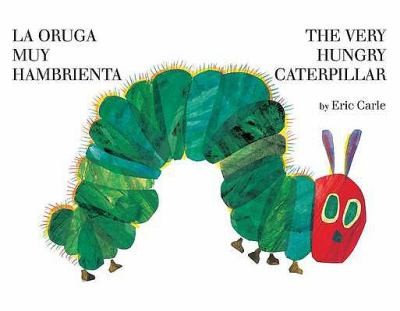
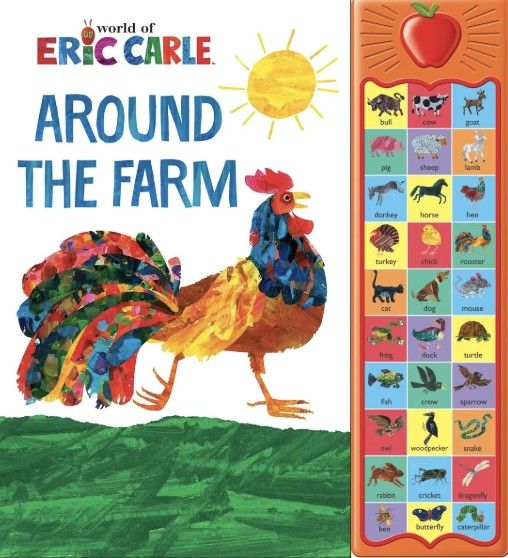
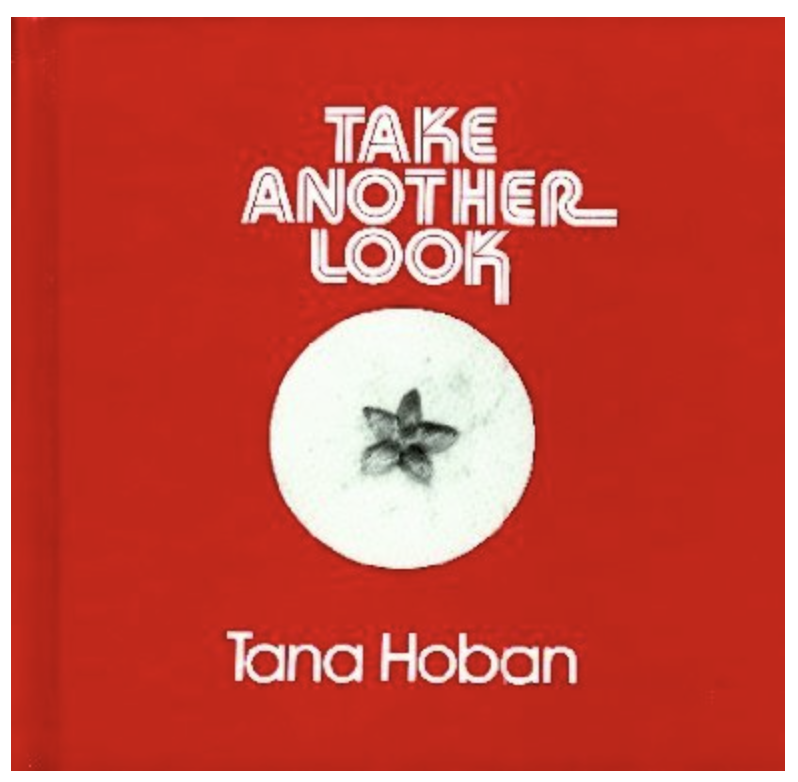
Maurice SendakEzra Jack KeatsEric CarleDavid WiesnerJon KlassenSophie BlackallJerry PinkneyMo WillemsMac BarnettTana HobanBrendan Wenzel
🌐

International Perspectives

Each national tradition of children’s illustration carries its own visual grammar — a way of seeing that is as distinct as a spoken accent.

The Nordic tradition is the oldest and most established of the non-Anglophone, non-Francophone picture book cultures. It runs from Elsa Beskow’s Art Nouveau watercolors in early 1900s Sweden through Tove Jansson’s Moomins to Astrid Lindgren’s Pippi Longstocking — and its distinguishing feature is a philosophical seriousness about childhood that predates even the French. The Swedish philosopher Ellen Key argued in The Century of the Child (1900) that the survival of civilization depended on treating children’s inner lives as worthy of real art; Scandinavian picture books have operated on this premise for over a century. Today, Ingela P. Arrhenius’s die-cut board books bring Scandinavian mid-century modern design clarity to the format: every page is a poster you could frame.

The Japanese ehon is part of an incomparable 1,200-year tradition. The word simply means “picture book,” but the form carries a philosophical weight that has no Western equivalent: ehon were historically made for all ages, blending image and calligraphy into objects that scholars describe as “strikingly beautiful, highly charged microcosms of deep feeling.” The modern children’s ehon inherits this sensibility. Taro Gomi (b. 1945, over 450 books) appears to draw with the simplicity of a child, but his thick-lined, boldly colored compositions encode decades of design practice and the Japanese conviction that negative space is not emptiness but presence.

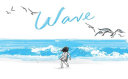
The Korean art-book school has emerged as one of the most formally innovative in the world. Suzy Lee (b. 1974, Seoul; Hans Christian Andersen Award 2022 — the field’s Nobel) treats the physical book itself as a medium: her “Border Trilogy” uses the center binding as a narrative boundary between reality and fantasy. In Wave, the gutter separates shore from sea until a splash breaks through. Lee works in just two or three colors, letting shape and space carry all narrative weight.

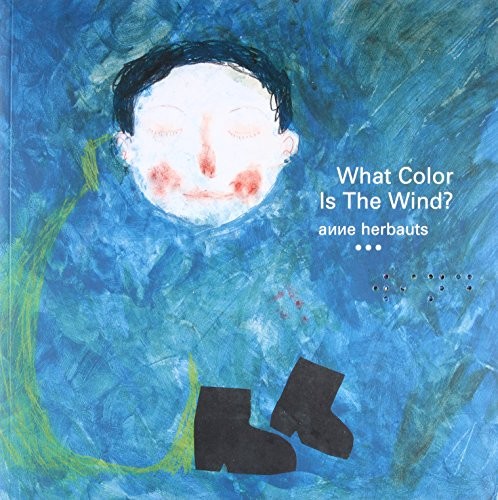
Belgian illustrators occupy a unique position at the crossroads of French language and Flemish visual culture. Anne Herbauts’s What Color Is the Wind? — a blind child asks each being what color the wind is, and each answers differently through texture, embossing, and die-cuts — could only have come from Brussels, where the Francophone book tradition meets a craft sensibility rooted in Low Countries printmaking and tactile design. Kitty Crowther (b. 1970, Brussels) won the 2010 Astrid Lindgren Memorial Award — the world’s largest prize in children’s literature — for a body of work in delicate crayon.

The Dutch have a tradition of wordless visual storytelling that rivals the American school. Mark Janssen’s Island — a father, daughter, and dog shipwrecked on what is revealed to be a colossal sea turtle — uses bold painterly watercolors with a cinematic confidence that owes more to the Low Countries’ painting tradition than to any picture-book precedent.

The Italians treat the book as a gallery object with a conviction that even the French sometimes envy. The Bologna Children’s Book Fair — the world’s most important trade event for children’s publishing — is held in Italy for a reason: the country’s tradition of fine printing, paper craft, and visual art runs deep.

The Irish tradition is young but distinctive. Chris Haughton (b. 1978, Dublin) has created a body of work defined by bold flat-color design in limited palettes, near-wordless texts that trust the page-turn to do all narrative work, and a deadpan comic sensibility that reads across languages.

From the Southern Hemisphere, Australian illustrators bring a sensibility shaped by vast landscape and ecological consciousness. From New Zealand, Blair Cooper’s Pee Wee the Lonely Kiwi smuggles a conservation lesson about extinct species inside a sunny friendship story — a small artifact of a national culture where ecological thinking is woven into children’s literature from birth.

Suzy LeeTaro GomiIngela P. ArrheniusMark JanssenAnne HerbautsKitty CrowtherChris HaughtonTove Jansson

Author Profiles

🇫🇷

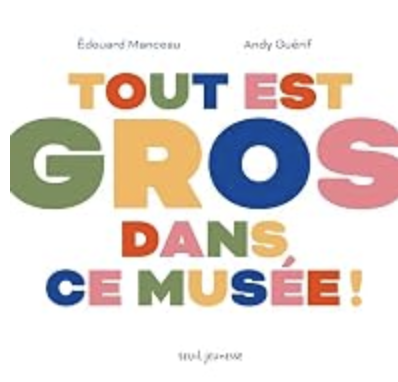
Édouard Manceau

b. 1969, Cholet, France

14 books
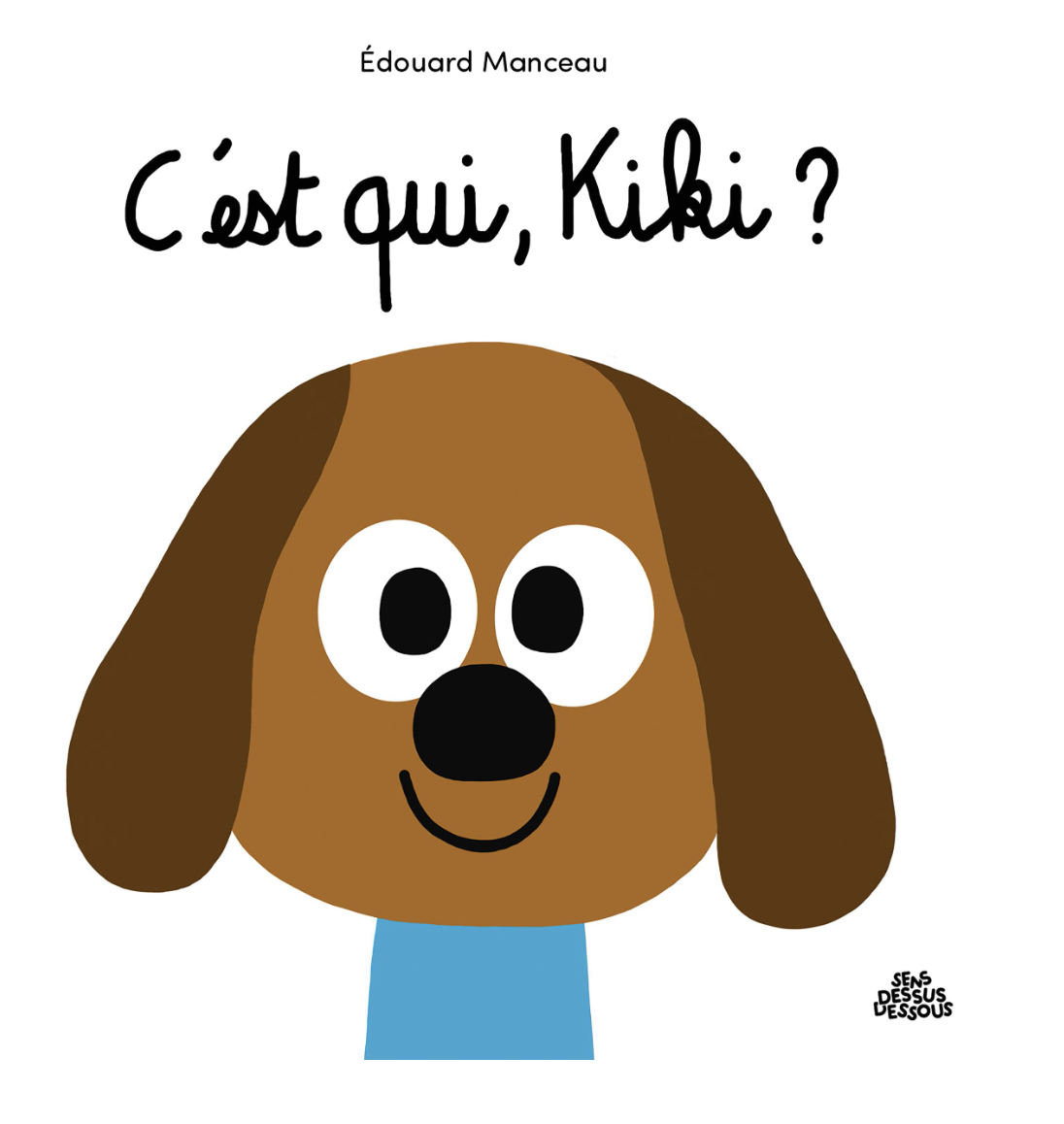
C'est qui, Kiki ?
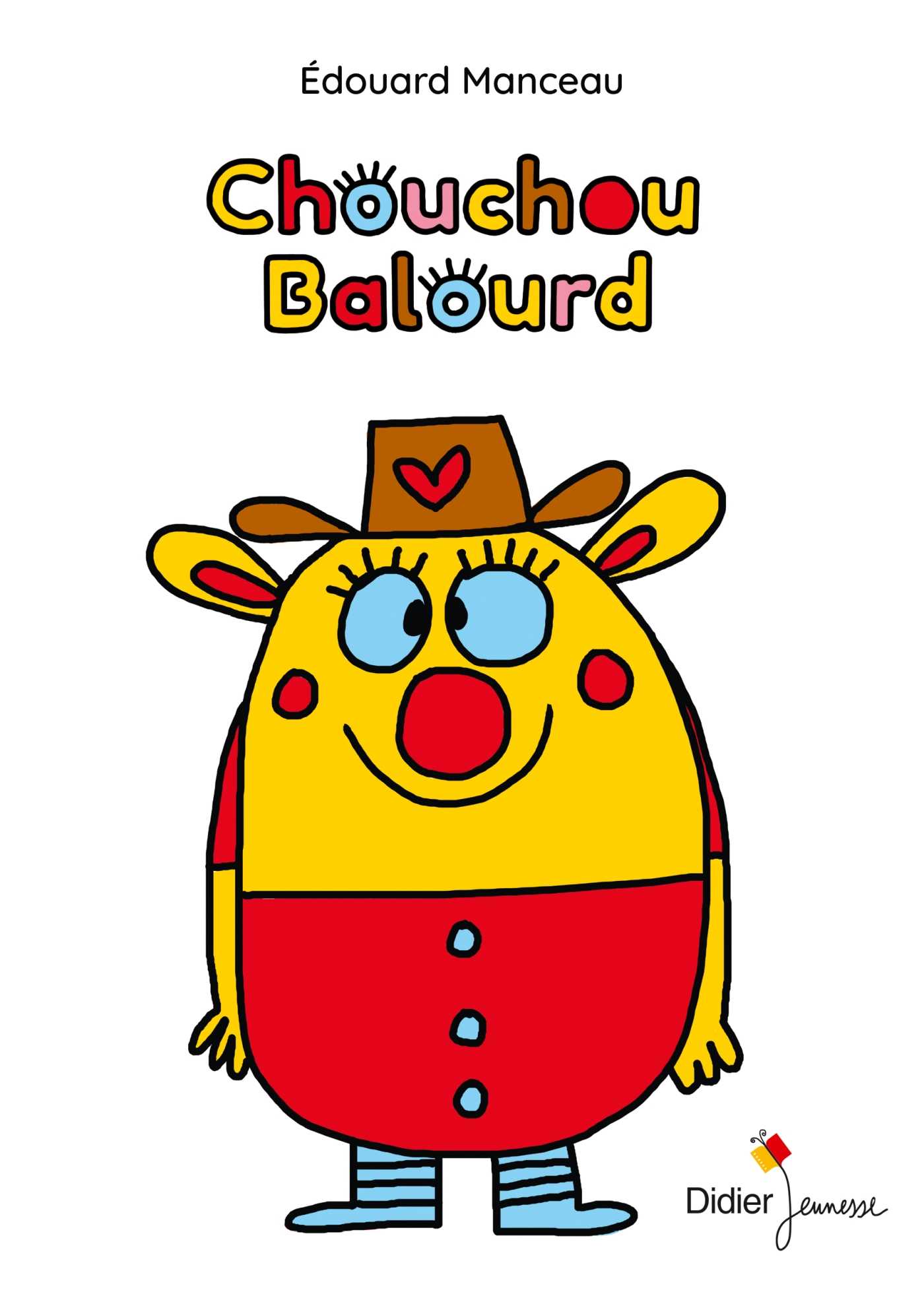
Chouchou balourd
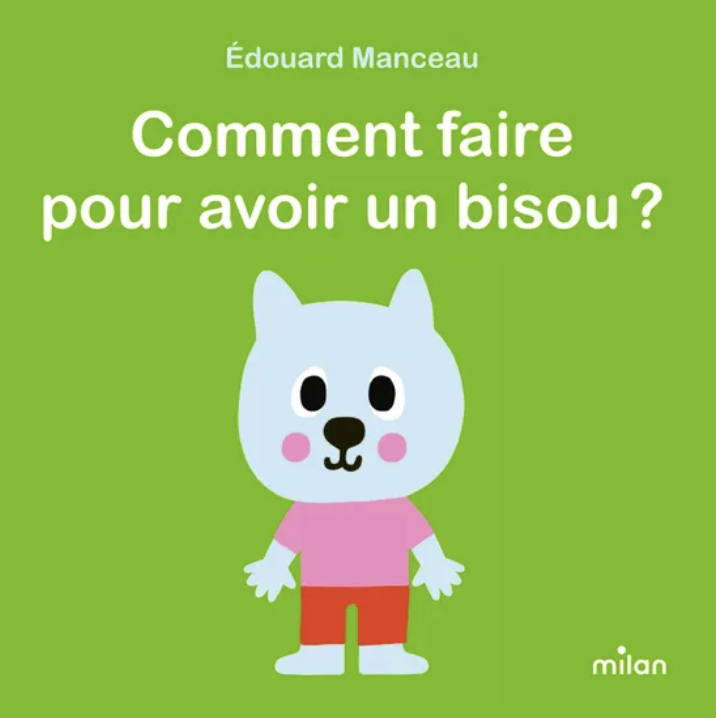
Comment faire pour avoir un bisou
Comment ça va ?
Fusée
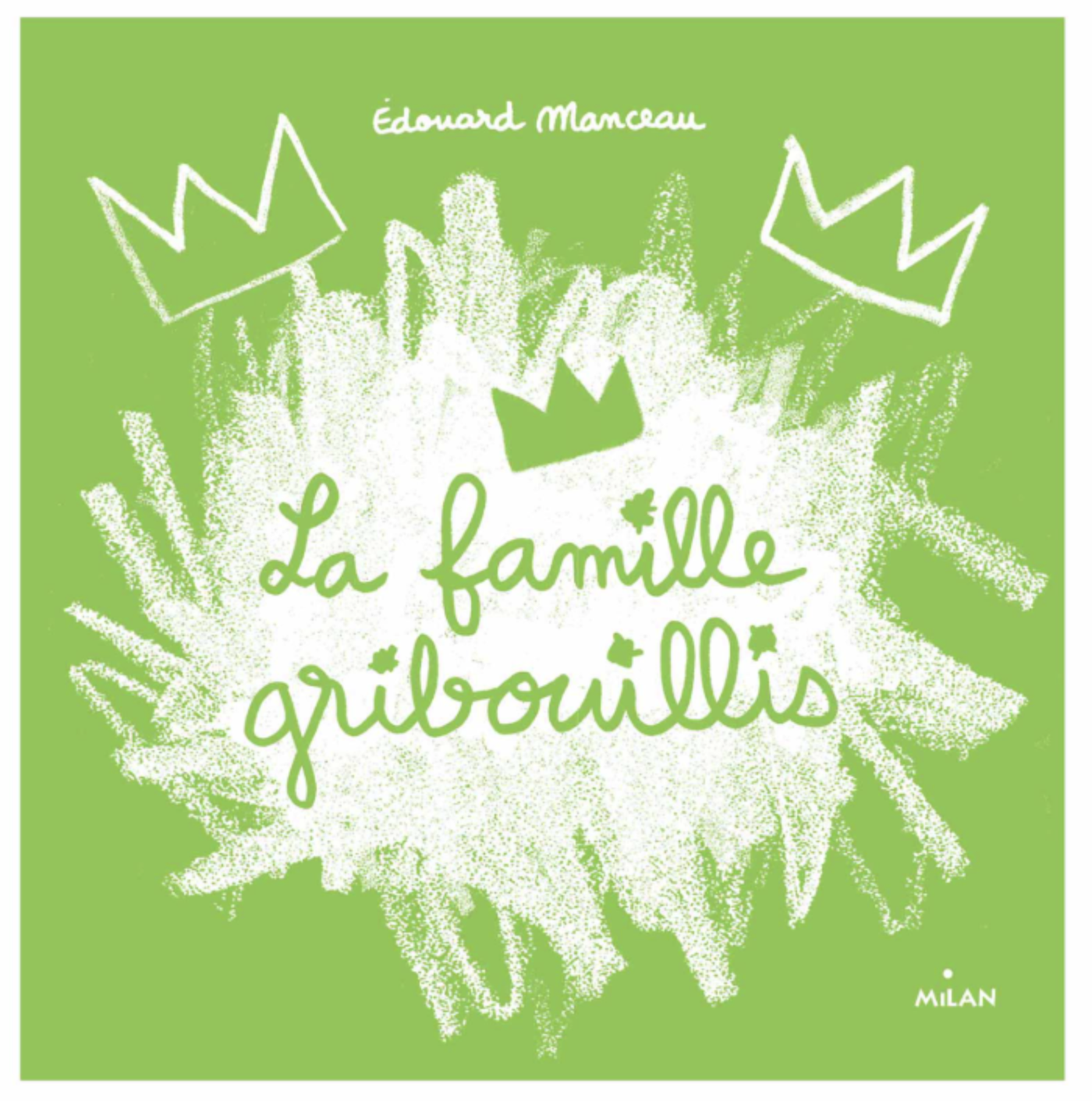
La famille gribouillis
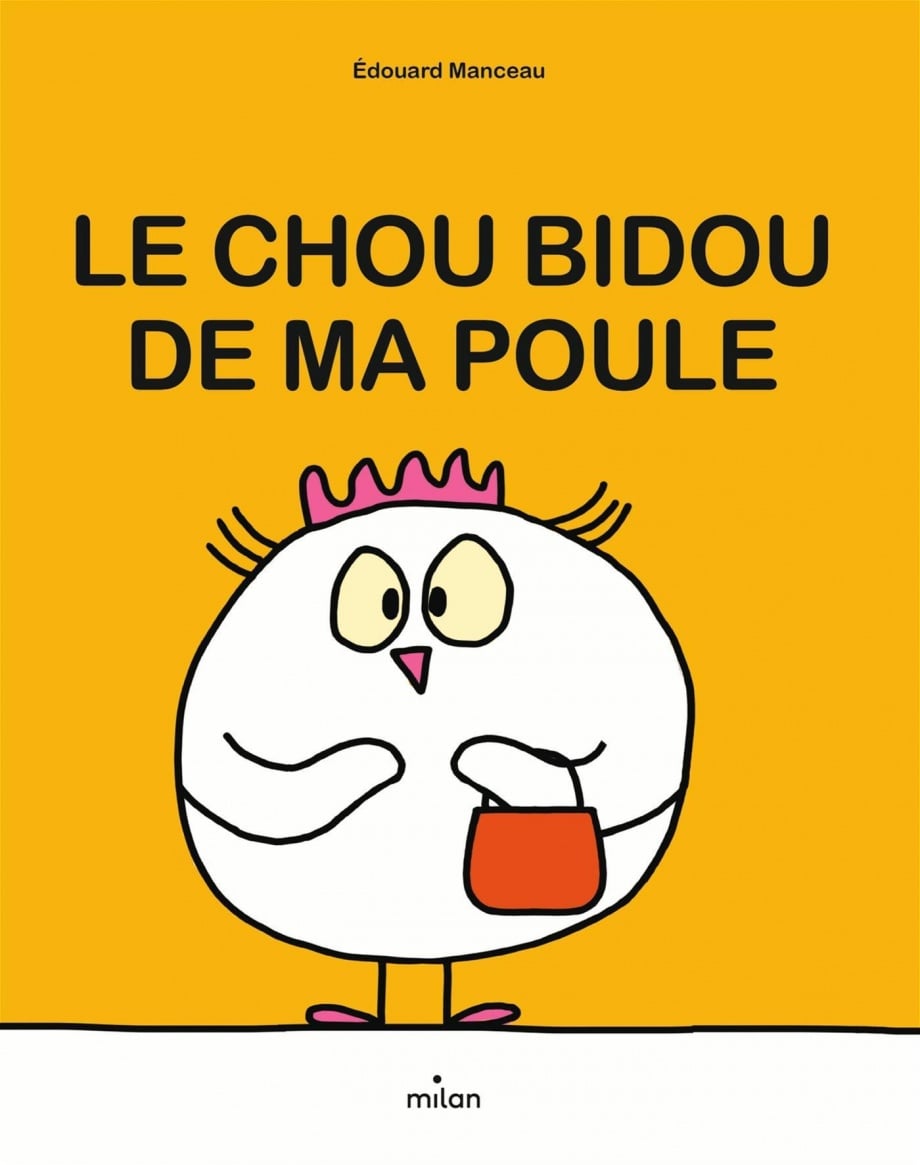
Le chou bidou de ma poule
Le pull de ma poule
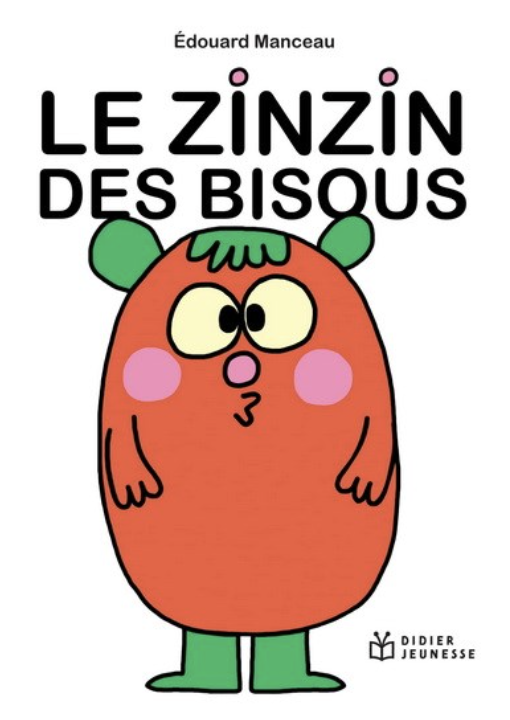
Le zinzin des bisous
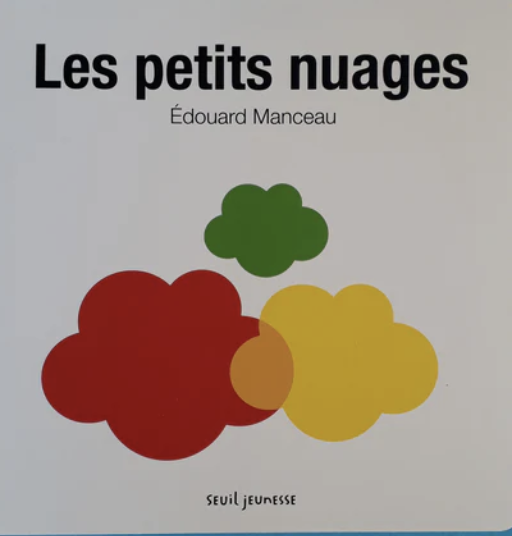
Les petits nuages
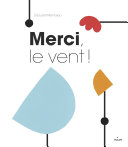
Merci le vent
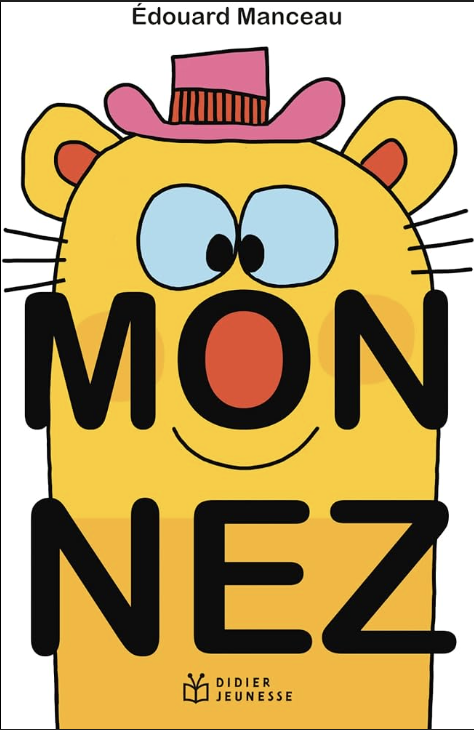
Mon nez
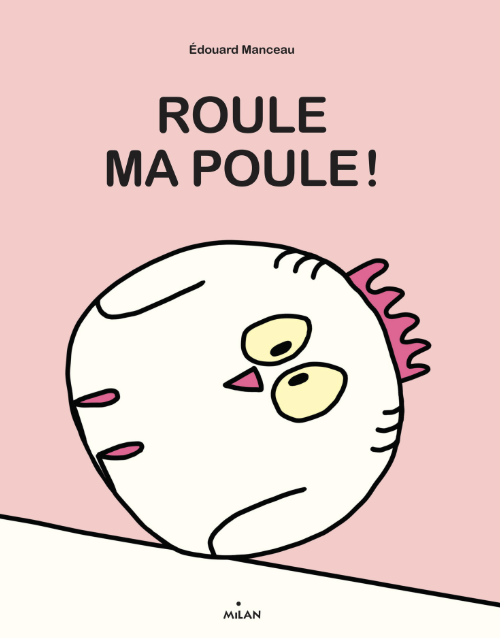
Roule ma poule
Si tous les éléphants s'appellaient Bertrand

Trained at the École des Beaux-Arts d’Angers, Manceau has published approximately 130 titles translated into 20 languages. His signature technique — papiers découpés (cut and torn paper collage) with bold flat colors — produces books that function simultaneously as graphic design objects and reading experiences.

It takes a whole life to learn to draw like a child.

Picasso, quoted by Manceau

Three distinct creative streams define his work: phonemic wordplay (the Poule series, where entire books are built on a single vowel sound), appearance/disappearance games (the Didier Jeunesse trio, where faces lose their parts and must be rebuilt), and graphic minimalism (Fusée, where a rocket is constructed from ten shapes and then destroyed — because construction and destruction are the same joy).

His Merci le vent — seven colored shapes rearranged into different animals, then blown to the reader by the wind — is one of the most widely used picture books in French preschool pedagogy. Prix des Incorruptibles (twice), Prix Libbylit 2014, Prix Sorcières 2015.

🇫🇷

Claude Ponti

b. 1948, Lunéville, France

8 books
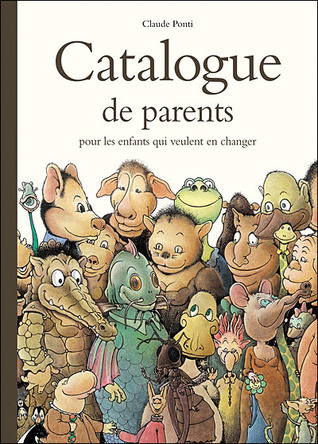
Catalogue de parents pour enfants qui veulent en changer
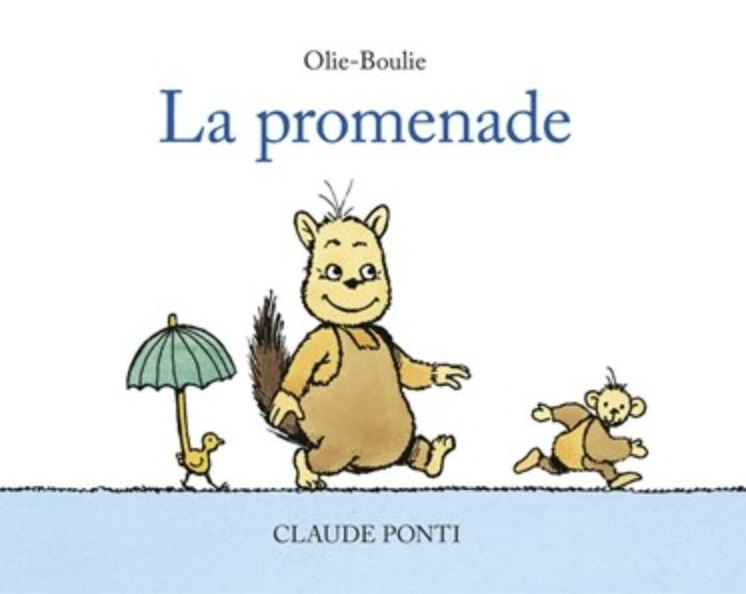
La Promenade
Le A
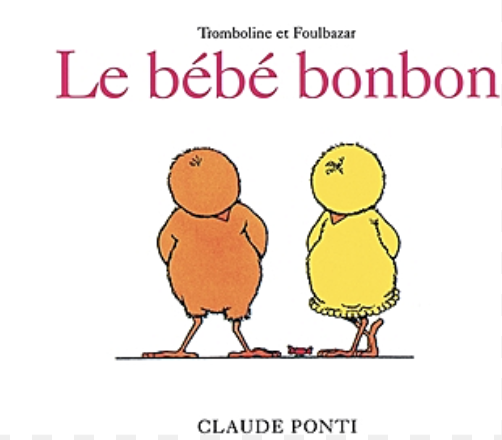
Le Bébé Bonbon
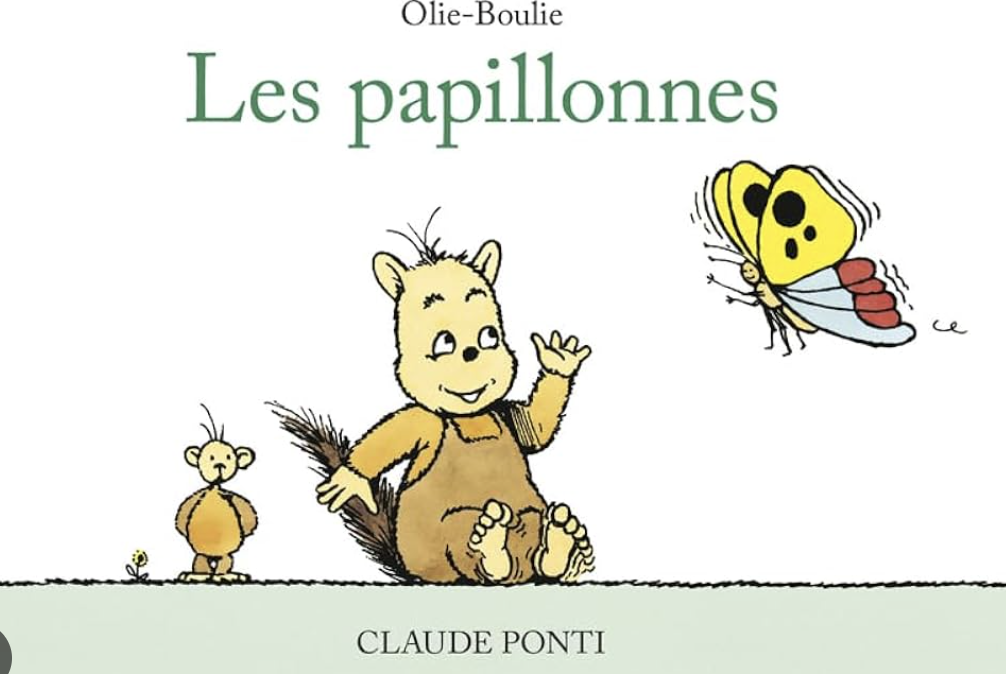
Les Papillonnes
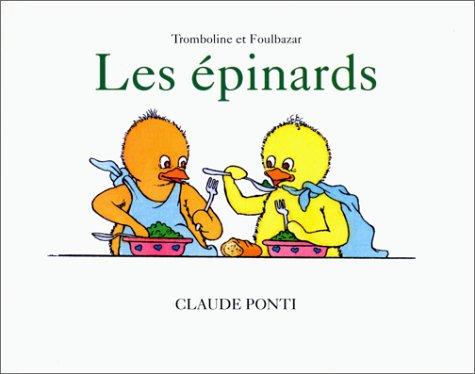
Les épinards
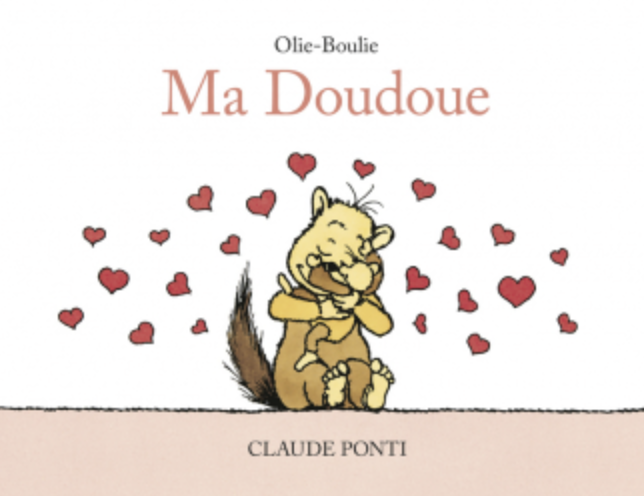
Ma Doudoue
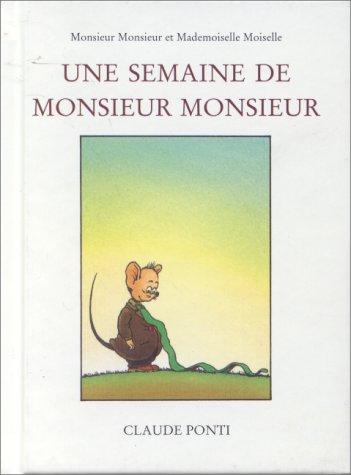
Une semaine de Monsieur Monsieur

France’s greatest living children’s book author-illustrator — though he would resist the qualifier “children’s.” Self-taught artist who began making books after his daughter Adèle’s birth in 1985 and published L’Album d’Adèle at Gallimard.

Over 100 books in 13 languages since joining L’école des loisirs in 1990. Known for extraordinarily detailed illustrations, dream-like narratives, and an invented vocabulary (“tristifier,” “splitcher,” “sclaquouiller”) that children understand instantly because it sounds exactly like what it means.

Created Le Muz, an online museum of children’s art. Prix Sorcières Spécial 2006 for lifetime achievement. In 2025, at age 76, he launched the Olie-Boulie series — deliberately feminizing French grammar itself, making the feminine form default.

Lewis Carroll-like.

Libération, on Ponti

The comparison is apt: both use nonsense as a portal to philosophical wonder.

🇫🇷

Thierry Dedieu

b. 1955, Narbonne, France

4 books
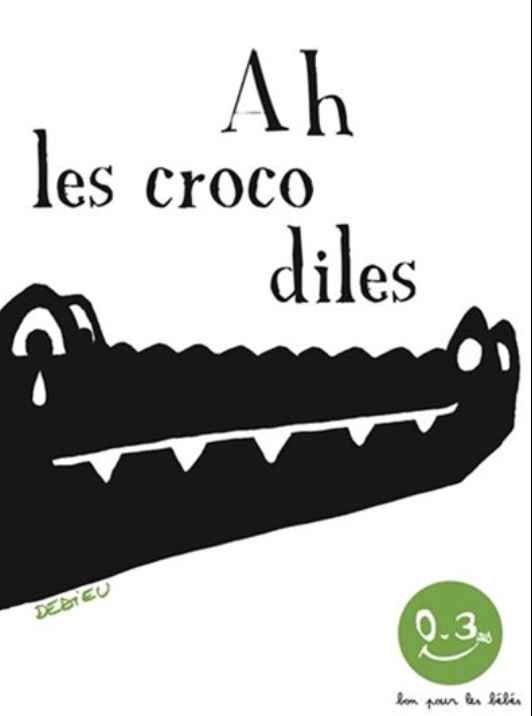
Ah les crocodiles
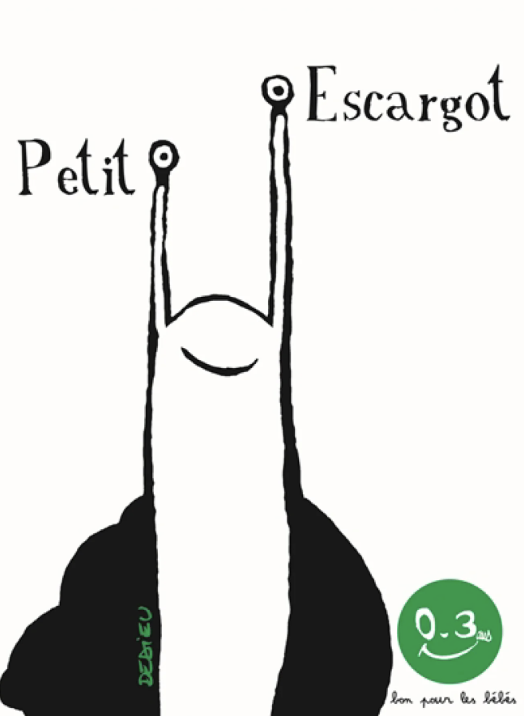
Le petit escargot
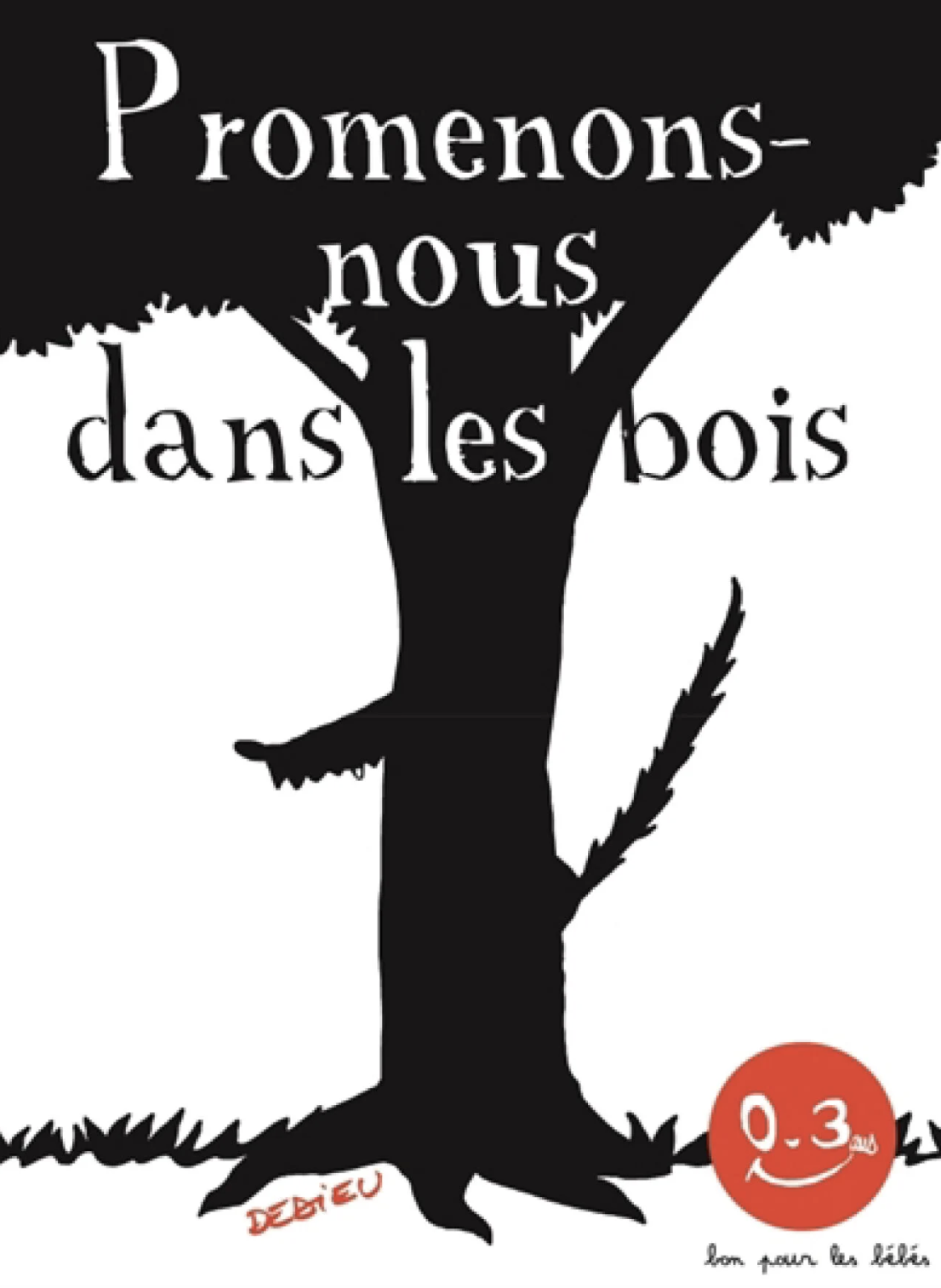
Promenons-nous dans les bois
Tas de riz, tas de rats

Scientific studies and an advertising career preceded his first picture book in 1991. Over 175 books; also writes under the pseudonym Tatsu Nagata.

The “Bon pour les bébés” collection (28 titles, Seuil Jeunesse) was born from collaboration with librarian Marie-Paule Fontano and tested in crèches for eight months. Its radical premise rests on three research findings: babies see high contrast better than color; babies prefer books as large as they are; babies need the music of varied language — not simplified speech, but nursery rhymes, tongue twisters, haikus, and even Cyrano de Bergerac.

Format: 38 × 28 cm, strictly black-and-white, 12 pages. The most important French book collection designed specifically for newborns.

🇺🇸

David Wiesner

b. 1956, Bridgewater, New Jersey

3 books
Flotsam
The Three Pigs
Tuesday

BFA from RISD, where he studied under David Macaulay. One of only two illustrators in history to win three Caldecott Medals (the other is Marcia Brown).

His artistic lineage runs through Dalí, Magritte, and de Chirico — surrealists who proved that photographic realism applied to impossible premises creates a more powerful effect than stylization. His work proves that pictures don’t need text to tell stories of profound complexity.

You read the pictures, and there are no air quotes around ‘read.’

David Wiesner
🇨🇦

Jon Klassen

b. 1981, Winnipeg, Canada

3 books
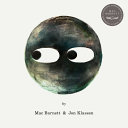
Circle
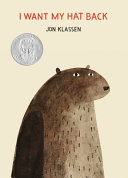
I Want My Hat Back
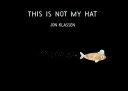
This Is Not My Hat

Sheridan College animation graduate; former concept artist on Coraline and Kung Fu Panda. The first artist in history to win both the Caldecott Medal and the Kate Greenaway Medal for the same book (This Is Not My Hat).

Received the Order of Canada (2018). His technique — hand-made textures scanned and digitally assembled — produces illustrations where characters’ eyes betray everything the text conceals.

The Barnett-Klassen partnership (Shapes Trilogy, Extra Yarn, Sam and Dave Dig a Hole) is the most consequential author-illustrator collaboration in contemporary picture books: two Canadians making deadpan philosophical comedy that reads as perfectly in Brooklyn as in Winnipeg.

🇺🇸

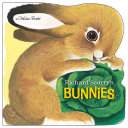
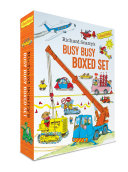
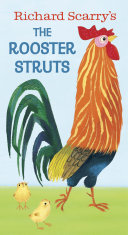
Richard Scarry

1919–1994, Boston

5 books
I Am a Bunny
Richard Scarry's Bunnies
Richard Scarry's Busy Busy Boxed Set
Richard Scarry's Cars and Trucks and Things That Go
Richard Scarry's The Rooster Struts

Over 300 million copies sold worldwide across 150+ titles in 30+ languages. Two distinct artistic periods reveal two different artists.

The early gouache naturalism of I Am a Bunny and The Rooster Struts (both 1963) — botanically precise, contemplative, almost Beatrix Potter-esque — and the later Busytown pen-and-ink maximalism, where cats, pigs, and worms drive cars, fly planes, and construct buildings in compositions so dense they invented the “busy page” that every seek-and-find book since has drawn from.

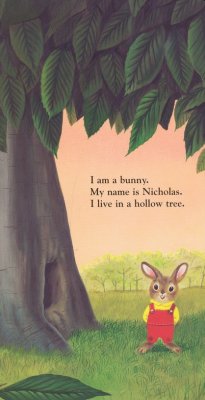
I am a bunny. My name is Nicholas. I live in a hollow tree.

Ole Risom, I Am a Bunny

I Am a Bunny, written by Ole Risom (a Danish-American WWII Monuments Man who became VP of Golden Books), may be the most perfect opening in board book literature.

🇫🇷

Jean de Brunhoff

1899–1937, Paris

2 books
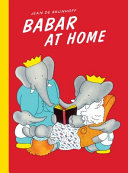
Babar en famille
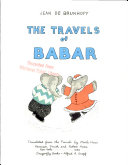
Le Voyage de Babar

Died of tuberculosis at 37, having pioneered the modern large-format picture book: folio-sized pochoir (stencil) watercolors with handwritten cursive text integrated into illustrations.

Babar en famille was published posthumously in 1938; his teenage son Laurent continued the series for decades. François Poulenc composed a piano piece inspired by Le Voyage de Babar. The Metropolitan Museum holds a first edition.

A career of fewer than seven years that permanently expanded what a picture book could physically be.

🇺🇸

Mo Willems

b. 1968, Des Plaines, Illinois

2 books
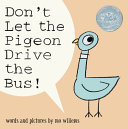
Don't Let the Pigeon Drive the Bus!
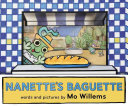
Nanette's Baguette

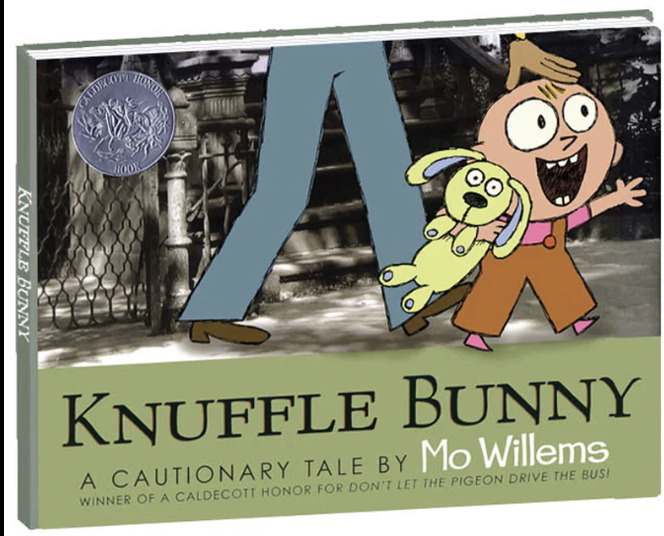
Sesame Street writer and animator (six Emmys) turned picture book author. Kennedy Center’s first Education Artist-in-Residence (2019). Three Caldecott Honors, two Geisel Medals.

The Pigeon books channel a decade of television comedy writing into a single crayon-line character on warm ochre paper; Nanette’s Baguette abandons that entirely for handcrafted cardboard-and-paper 3D dioramas, photographed and digitally composited.

Proof that Willems can reinvent his visual language as completely as he reinvented children’s comedy.

🇺🇸

Sandra Boynton

b. 1953, Orange, New Jersey

4 books
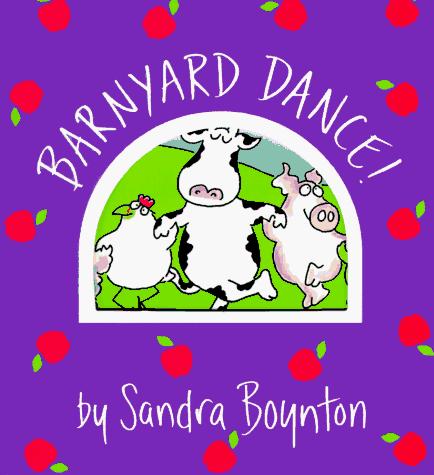
Barnyard Dance!
Belly Button Book!
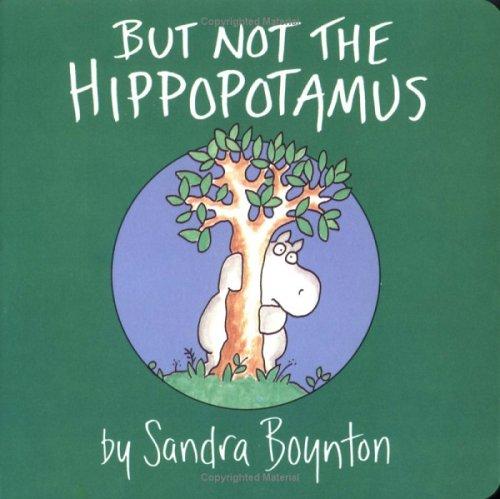
But Not the Hippopotamus
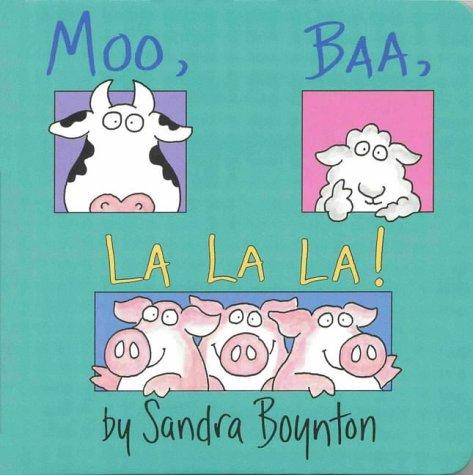
Moo, Baa, La La La!

Studied with Maurice Sendak at Yale. Over 90 million books sold. The most commercially successful board book author in history, and one whose work improves the more seriously you take it.

Sold 50–80 million greeting cards per year at the height of her card career before bringing her cartoonist’s instinct for the perfect punchline to the 24-page board book format.

But Not the Hippopotamus is her board-book masterpiece.

The New Yorker

And they were right: under sixteen words per spread, Boynton constructs a complete emotional arc about belonging, with a structural twist ending worthy of Beckett.

🇫🇷

Alain Le Saux

1936–2015, Boulogne-Billancourt

2 books
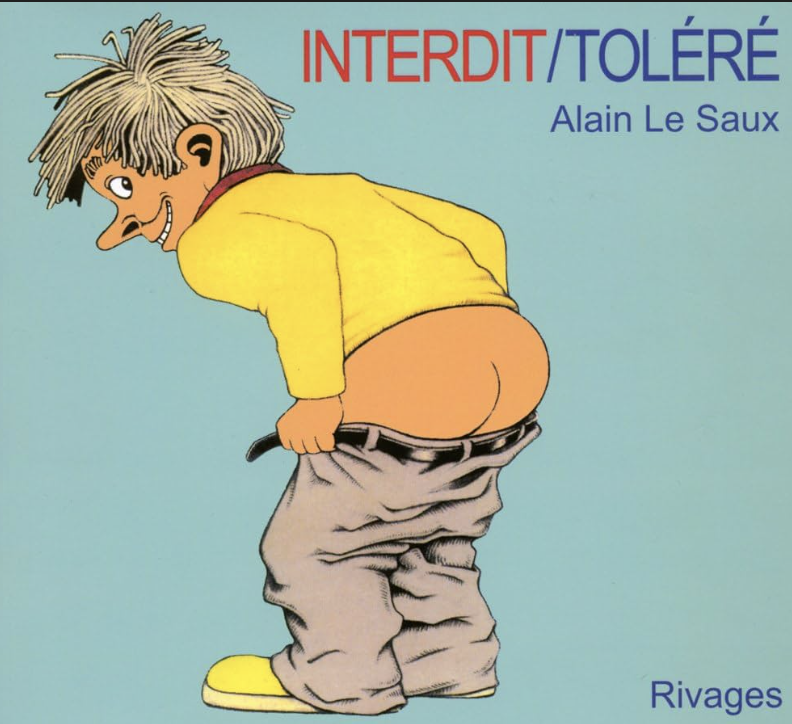
Interdit / Toléré
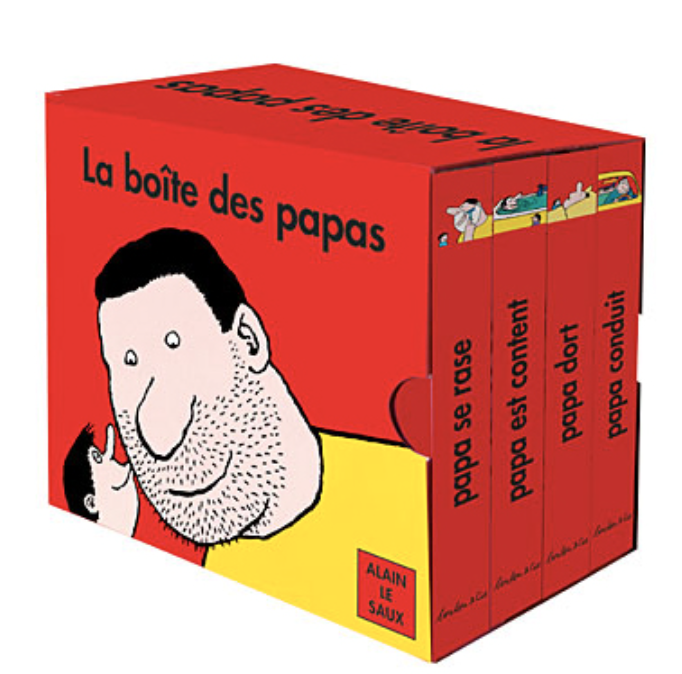
Les Papas

Twin brother of Philippe Corentin, himself a celebrated children’s author. His books operate on systematic double reading: simultaneously entertaining for children and deeply ironic for adults.

Influences: Roland Topor, Robert Crumb, Saul Steinberg, James Ensor — all artists known for satirical work. Le Saux’s children who love the naughty images see something different from adults who see the gap between text and picture as social commentary.

His deliberately “ugly-beautiful” characters come from press caricature, not cute illustration.

Le roi des papas.

Livres Hebdo obituary headline

Publishers & Imprints of Note

Gallimard Jeunesse (est. 1972)

5 titles in the library

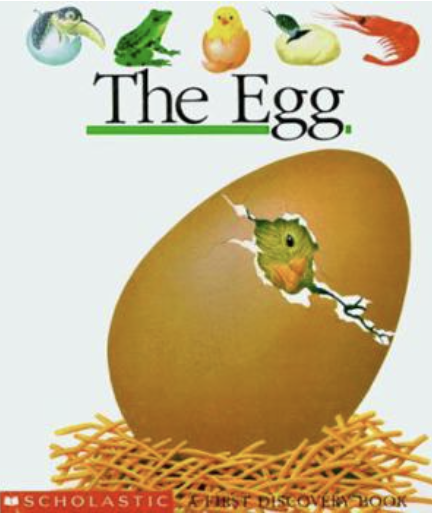
L'œuf
La coccinelle
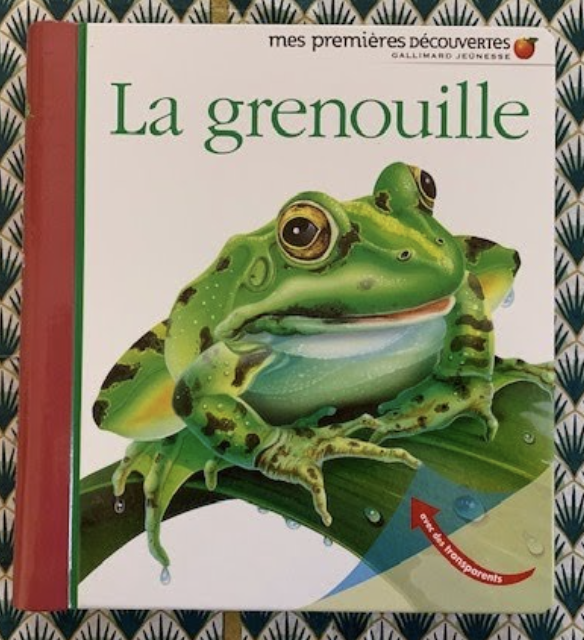
La grenouille
La terre et le ciel
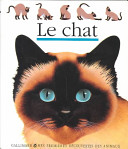
Le chat

Pierre Marchand (1939–2002) insisted on being called an autodidact — “il y tenait.” Born in Bouin, a tiny port in the Vendée marshlands, he left school early, fled to Paris at seventeen, and spent 27 months doing military service in Algeria.

Origins

Marchand worked as a deckhand at the Dubigeon naval shipyards in Nantes, apprenticed as a typographer at the Imprimerie Blanchard, then back in Paris sold vacuum cleaners before landing a warehouse job at Éditions Fleurus, where he packed books for shipping.

J’emballe les livres et les livres m’emballent

Pierre Marchand

Over nine years he rose from the warehouse floor to Fleurus’s management committee. In 1971 Marchand and journalist Jean-Olivier Héron co-founded the sailing magazine Voiles et Voiliers. It failed spectacularly. To pay off their debts, the two pitched a children’s publishing project to Gallimard. In October 1972, the first four titles of the “1000 Soleils” collection launched what would become Gallimard Jeunesse. Without that sailing magazine’s financial collapse, France’s largest children’s publisher might never have existed.

On ne naît pas lecteur, on le devient

Pierre Marchand

Marchand’s philosophy was rooted in his typographer’s training and his contempt for condescension: through “the first reading, that of the image. You must give children beautiful images.” When a university scholar delivered a 400-page manuscript for the Découvertes encyclopedia, Marchand erupted in what the scholar called his “Homeric laugh” and demanded it be condensed to fifty pages — scientifically exact, in constant dialectic with the illustrations.

He liked to upset and destroy, in order to build again... He couldn’t suffer an error of visual taste or the sin of banality

Colleagues on Marchand

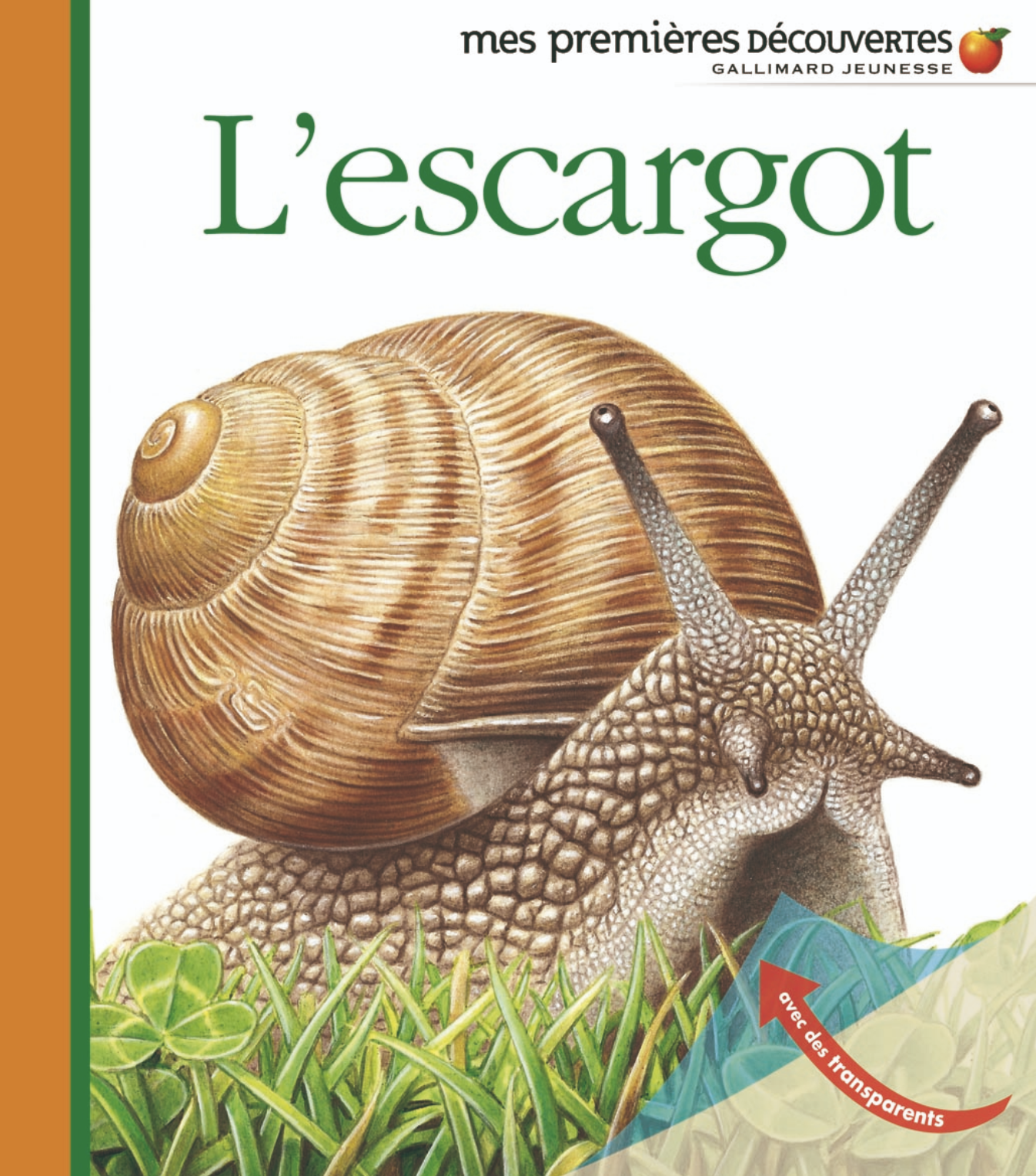
The transparent pages

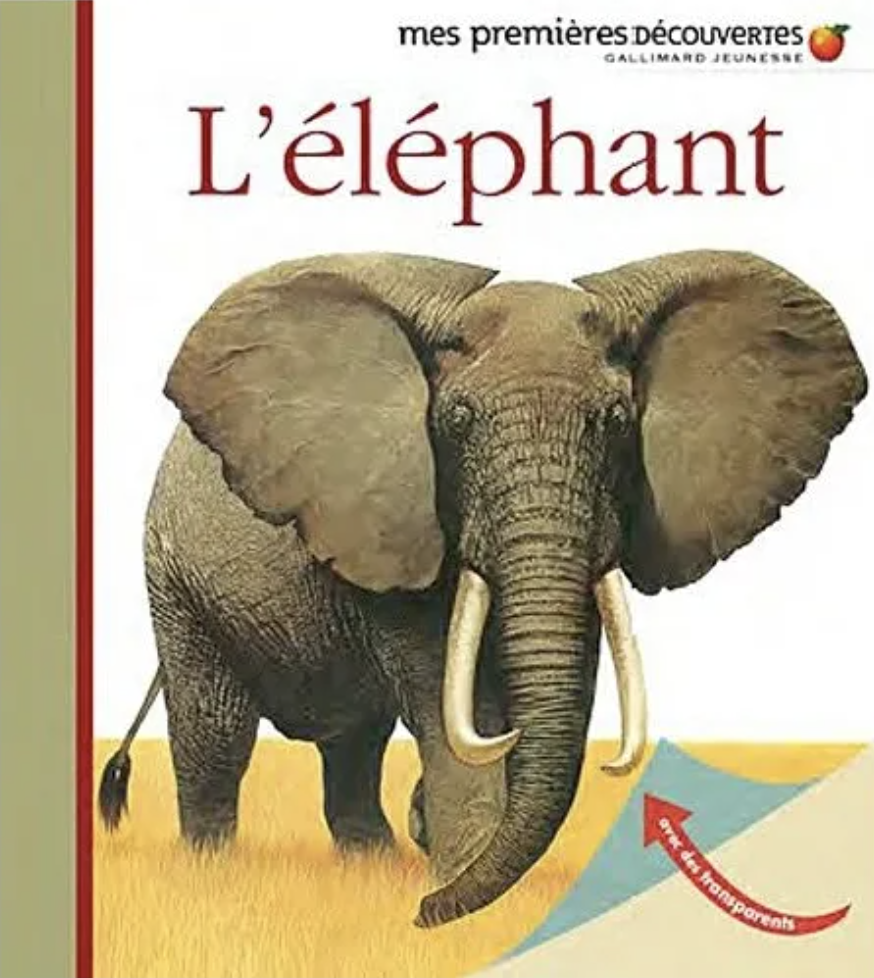
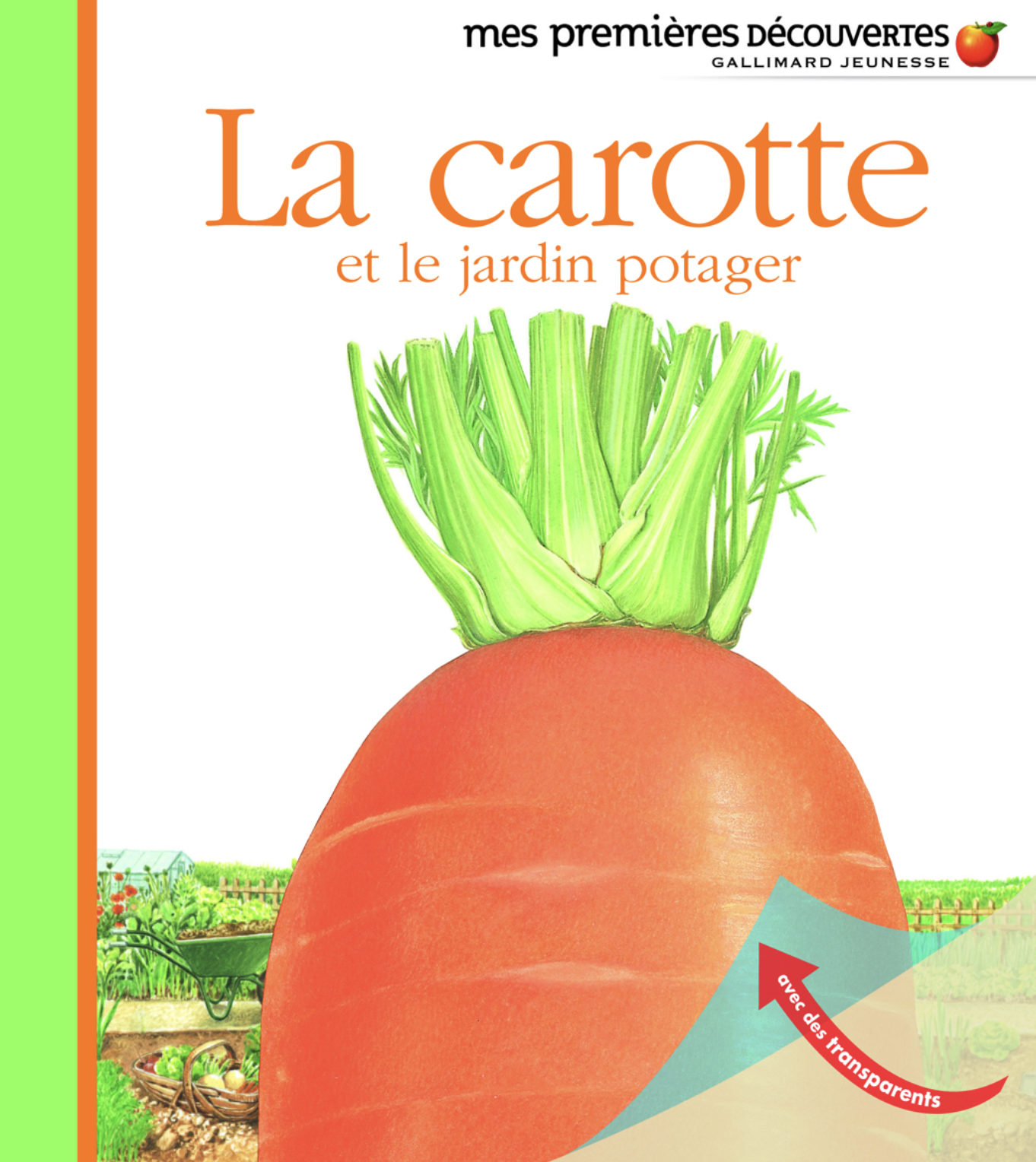
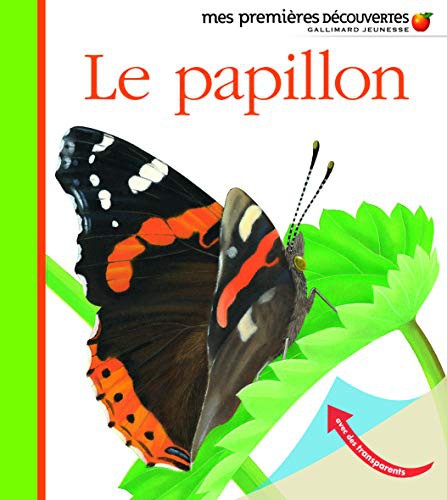
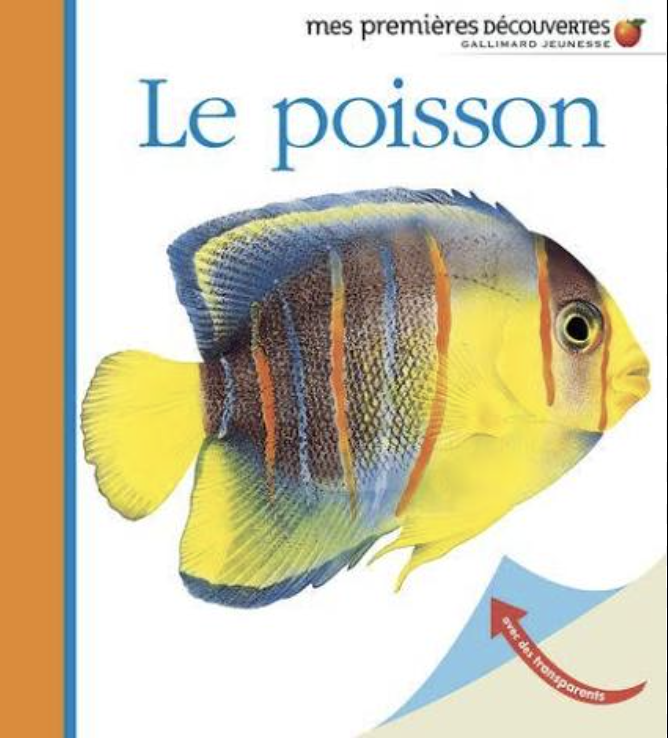
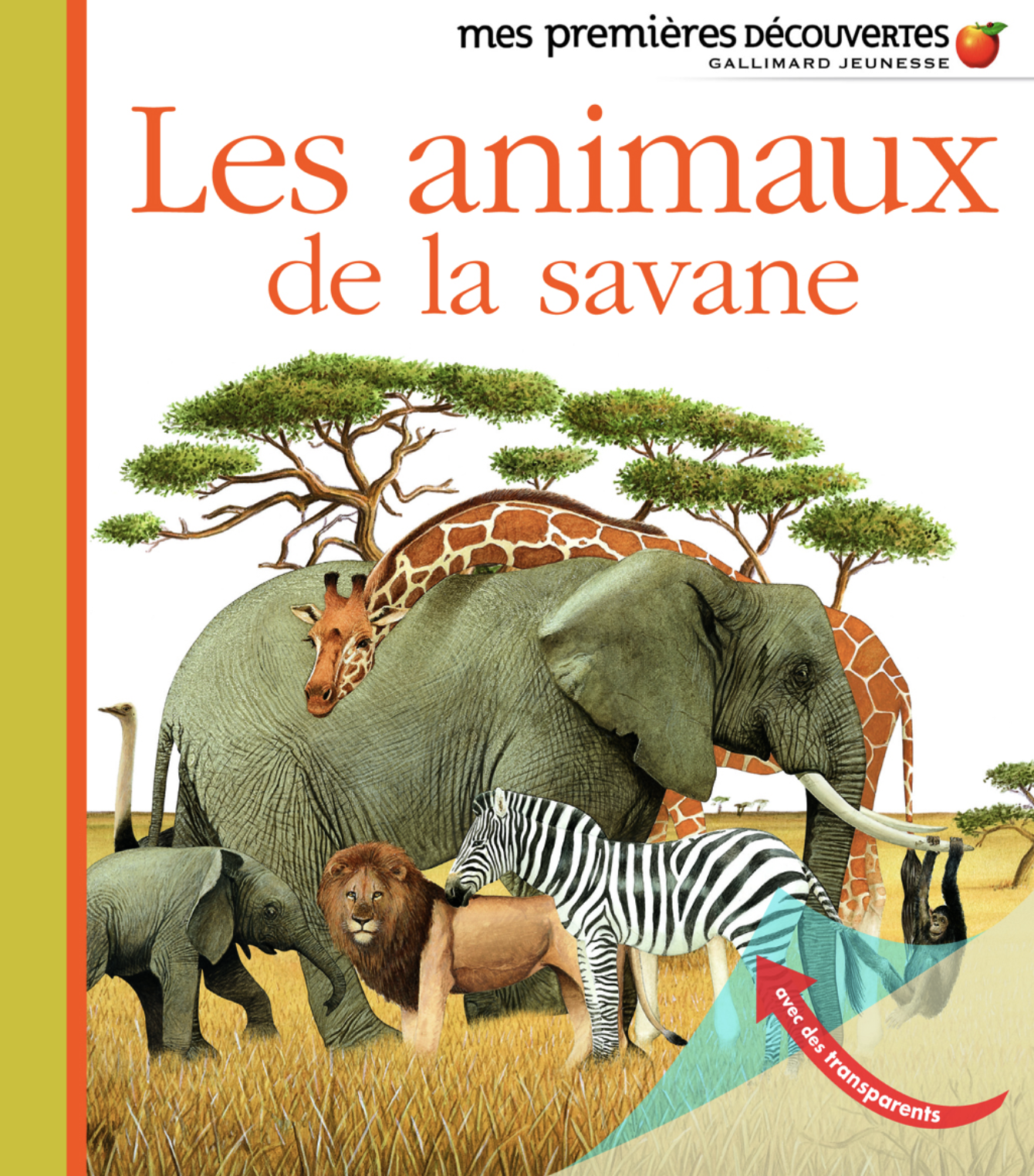
The Mes Premières Découvertes series launched at Christmas 1989 with a technical breakthrough: transparent acetate pages printed recto-verso for the first time in children’s publishing, interleaved with heavy cardboard so that turning a single sheet transforms the image — revealing the inside of a fruit, the skeleton beneath an animal’s skin, a building’s hidden structure. The pedagogical logic is spatial: seen and unseen, full and empty, inside and outside, made concrete through the physical act of turning a page.

Tourner une page, c’est comme jouer à cache-cache

Gallimard pedagogical guide

The spiral binding — unusual for children’s books — lets each book open completely flat, essential for the overlay to register. The 150 × 175mm format with its hidden spiral and heavy cardboard demanded expensive multi-language co-editions: this economic necessity accidentally pushed Gallimard Jeunesse into genuinely global publishing early. English editions appeared via Moonlight Publishing within a year. Over 40 million copies sold in 30 languages across 200+ titles.

Lampe Magique

The Lampe Magique sub-series, conceived by Claude Delafosse, pushed the analog ingenuity further. Black background pages hide illustrations on the transparent film; a white cardboard “flashlight” slid behind the page makes the hidden images appear as if illuminated by a real torch beam. No batteries, no electronics — pure optics.

Key illustrators and legacy

Key illustrators: René Mettler (Swiss naturalist, hyper-precise botanical work), Sylvaine Peyrols (anatomy and animals), Ute Fuhr and Raoul Sautai (many Lampe Magique titles), and Henri Galeron, who also designed the panther logo that still identifies Gallimard Jeunesse. Marchand’s closest creative partner was the German graphic designer Raymond Stoffel, with whom he developed the visual identity for virtually all his major series.

Under Marchand, the children’s division grew to represent 30–35% of all Gallimard revenue and employed over 120 people — making the former warehouse worker responsible for roughly a third of one of France’s most prestigious publishing houses. Marchand left Gallimard in 1999 and died on April 4, 2002, at sixty-two. After his death, Gallimard Jeunesse published Si... (2009), Kipling’s poem “If—” illustrated by twenty-one of the house’s major artists, dedicated to Marchand and his first grandson Ugo.

Enchanted Lion Books (Brooklyn, est. 2003)

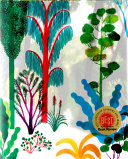
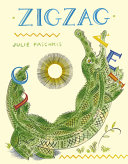
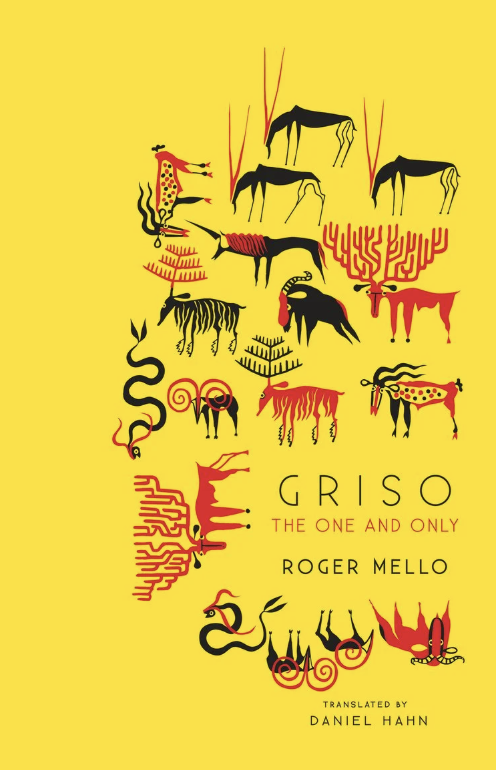
6 titles in the library

Griso: The One and Only
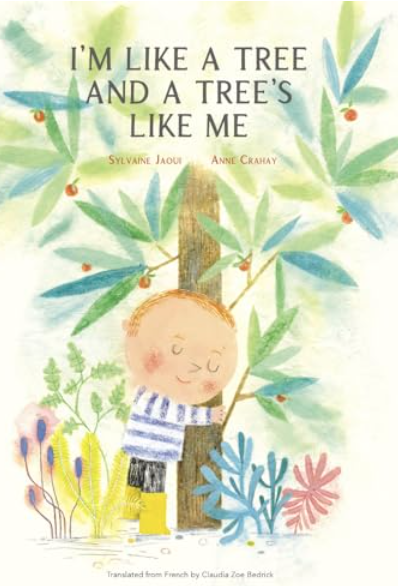
I'm Like a Tree and a Tree's Like Me
Les Larmes de crocodile
The Forest
What Color Is the Wind?
Zigzag

Claudia Zoe Bedrick spent nine years at the Rudolf Steiner School in New York learning French and German from kindergarten, graduated from Harvard in 1985 with a history degree, then pursued graduate philosophy at the New School.

Origins

Through the 1990s she managed the Journal Donation Project, developing archives and supporting libraries across eastern and central Europe and the former Soviet Union. She traveled to restricted special collections — “astonishing special collections of incunabula, maps, illustrated books of all kinds” — and noticed how deeply Anglo-American children’s books had penetrated even the most remote libraries. The idea of reverse cultural exchange took root.

Publishing was in her blood: her father Howard Peter Bedrick had risen from Schocken Books’ sales staff (the house of Kafka, Buber, and Arendt) to publisher, then founded Peter Bedrick Books in 1983 with her mother Muriel. Enchanted Lion launched in 2003 — the name a riff on the Red Lion Inn in Stockbridge, Massachusetts, where the family summered. But Peter Bedrick died of an inoperable brain tumor in December 2004, barely ten months after the press’s first list. That death fundamentally redirected the house from illustrated nonfiction toward the translated picture books that define it.

I didn’t come into children’s publishing with any love for it, honestly.

Claudia Zoe Bedrick

What she built instead was arguably the most critically celebrated small children’s press in America.

Editorial philosophy

She functions as publisher, editor, and art director — an unusual triple role that gives the catalog its recognizable coherence. Her editorial convictions are specific and philosophical.

I’m a bit of an Aristotelian and care about remaining true to the phenomena while engaging volition and action.

Bedrick

She looks for vitality of line, the presence of an active imagination that engages the “what if?,” and a manifest love of reality through which to discover wonder, sacredness, and a beauty beyond what is there.

Americans are suspicious of beauty

Big Five marketing director to Bedrick

On American publishing’s discomfort with visual sophistication, she relayed a devastating anecdote: “In 2009, one of the marketing directors at one of the big houses told me that the beauty of the books we were making hampered sales.” She has been repeatedly told her books are “too European” — a label she considers a euphemism for unsellable.

The catalog

Five Mildred L. Batchelder Awards (the ALA’s top honor for translated children’s books), six Batchelder Honors, multiple New York Times Best Illustrated selections. The catalog spans Blexbolex, Gianni Rodari, the Ukrainian duo Romanyshyn and Lesiv, Argentine Astrid Lindgren Memorial Award winner Isol, Norwegian Øyvind Torseter, and reissues of lost mid-century work by André François and Jacqueline Ayer. The press publishes from French, Dutch, Norwegian, Danish, Italian, Swedish, Japanese, Korean, Spanish, Portuguese, Ukrainian, and German.

The finances are precarious. Books must retail at $16.95–$17.95. There is “no budget to wine and dine librarians.” COVID nearly sank the operation; a Kickstarter and government assistance kept it alive. Big Five publishers have reportedly tried to acquire them — unsuccessfully. Bedrick’s mother Muriel still helps organize the office.

Elsewhere Editions (Brooklyn, est. 2017)

Elsewhere Editions emerged as the children’s imprint of Archipelago Books, the nonprofit literary press founded by Jill Schoolman in 2003. Where Enchanted Lion mixes original English-language titles with translations, Elsewhere publishes exclusively translated picture books — a sharper, narrower mission.

Schoolman articulated the founding impulse against a specific political backdrop: “At this moment when xenophobia is so freely expressed, the windows these children’s titles provide onto other worlds fill a lamentable void.” The imprint launched with three titles: Claude Ponti’s My Valley, Jostein Gaarder’s Questions Asked, and Roger Mello’s You Can’t Be Too Careful!

We are more interested in books that ask questions rather than provide answers.

Kendall Storey

The catalog, roughly three to five titles per year, spans French, Norwegian, Portuguese, Chinese, Finnish, Estonian, Persian, Spanish, Polish, Dutch, and Japanese. Recurring relationships define the list: five books with Roger Mello (the 2014 Hans Christian Andersen Award winner from Brazil), four-plus with Claude Ponti, and the first comprehensive English-language edition of Quino’s Mafalda — the Argentine comic strip that sold over 20 million copies worldwide but had never been properly translated. Five hardcover volumes are planned, translated by Frank Wynne.

Unfortunately, the timing is great for American readers.

Daniel Alarcón

As a 501(c)(3) nonprofit, revenue comes from book sales, donations, grants, and annual art auctions of original illustrations. A $100 membership delivers the next four published picture books. The entire operation — Archipelago and Elsewhere combined — runs on three full-time employees. Three Batchelder Honors in six years of publishing, from a three-person nonprofit, represents one of the more remarkable critical records in recent American children’s publishing.

Bayard Jeunesse (Paris, est. 1873)

3 titles in the library

Comment ça va ?
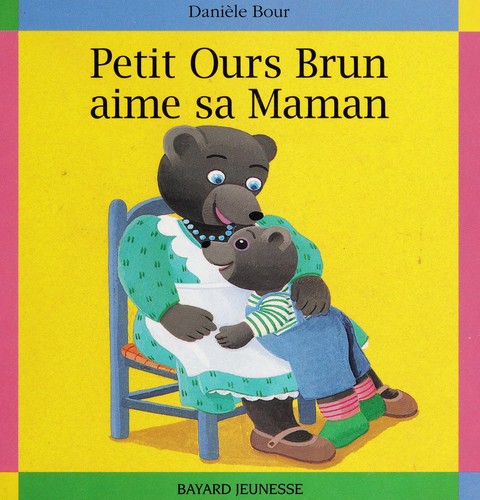
Petit Ours Brun aime sa maman
Un livre

The Bayard Group’s origin story is unlike anything else in publishing. In 1845, Father Emmanuel d’Alzon founded the Augustinians of the Assumption in Nîmes — a Catholic order dedicated to combating secularization through education and publishing.

The Assumptionist origins

In 1873 came Le Pèlerin; in 1883 the daily newspaper La Croix, which became France’s most influential Catholic paper. The anticlerical laws of 1900 expelled the Assumptionists from France entirely. The industrialist Paul Féron-Vrau bought the press to save it, but a legal dispute forced him to purchase the company twice. The publishing house, originally called La Bonne Presse, was renamed Bayard Presse in 1969 — taking the name from its Paris street address, not from the famous Chevalier as often assumed. The old name had become awkward: it implied competitors were the mauvaise presse.

The Assumptionist order remains the sole owner today. It operates on a nonprofit basis — all profits reinvested, none distributed to the order. Many lay employees reportedly don’t even realize they work for a company owned by monks.

The reading ladder

Bayard’s genius was building an age-segmented reading ladder that accompanies French children from first words through adolescence. Pomme d’Api (1966), created by Yves Beccaria — whose deaf daughter gave him intimate knowledge of language development — was revolutionary: a magazine for children who cannot yet read.

Un journal pour les petits n’est pas un petit journal

Within a year, 100,000 children were waiting for it monthly. Petit Ours Brun, the character now synonymous with the magazine, didn’t appear until March 1975 — created by literature professor Claude Lebrun, who was tired of reading classic tales to her own children, and illustrated by Danièle Bour. Popi (1986) pushed even younger, targeting ages one to three. J’aime lire (1977) remains the most consequential: a “novel-in-a-magazine” for ages seven to ten, each issue containing a complete original short novel. Of 400 manuscripts received annually, only twelve are published. The magazine claims to be read by one in every two French children.

Beyond print

The group’s influence extends past print. Radio Pomme d’Api became France’s first web radio for children ages three to seven, broadcasting 24/7 with a bedtime story every night at 8:15 PM. Pomme d’Api’s “Les P’tits Philosophes” section, developed with the UNESCO Chair for Philosophy with Children, may be the only regular philosophy column for preschoolers in any mass-market magazine worldwide.

With the 2004 acquisition of Milan Presse, the group controls 27% of the French youth press market. The current Superior General of the Assumptionist order — sole owner of a global media group with 2,000 employees, 200+ magazines, and 5 million subscribers — is Benoît Ngoa Ya Tshihemba, a Congolese priest elected in 2023. The order founded to fight French secularization in 1845 now runs one of the world’s largest children’s media operations from a distinctly post-colonial vantage point.

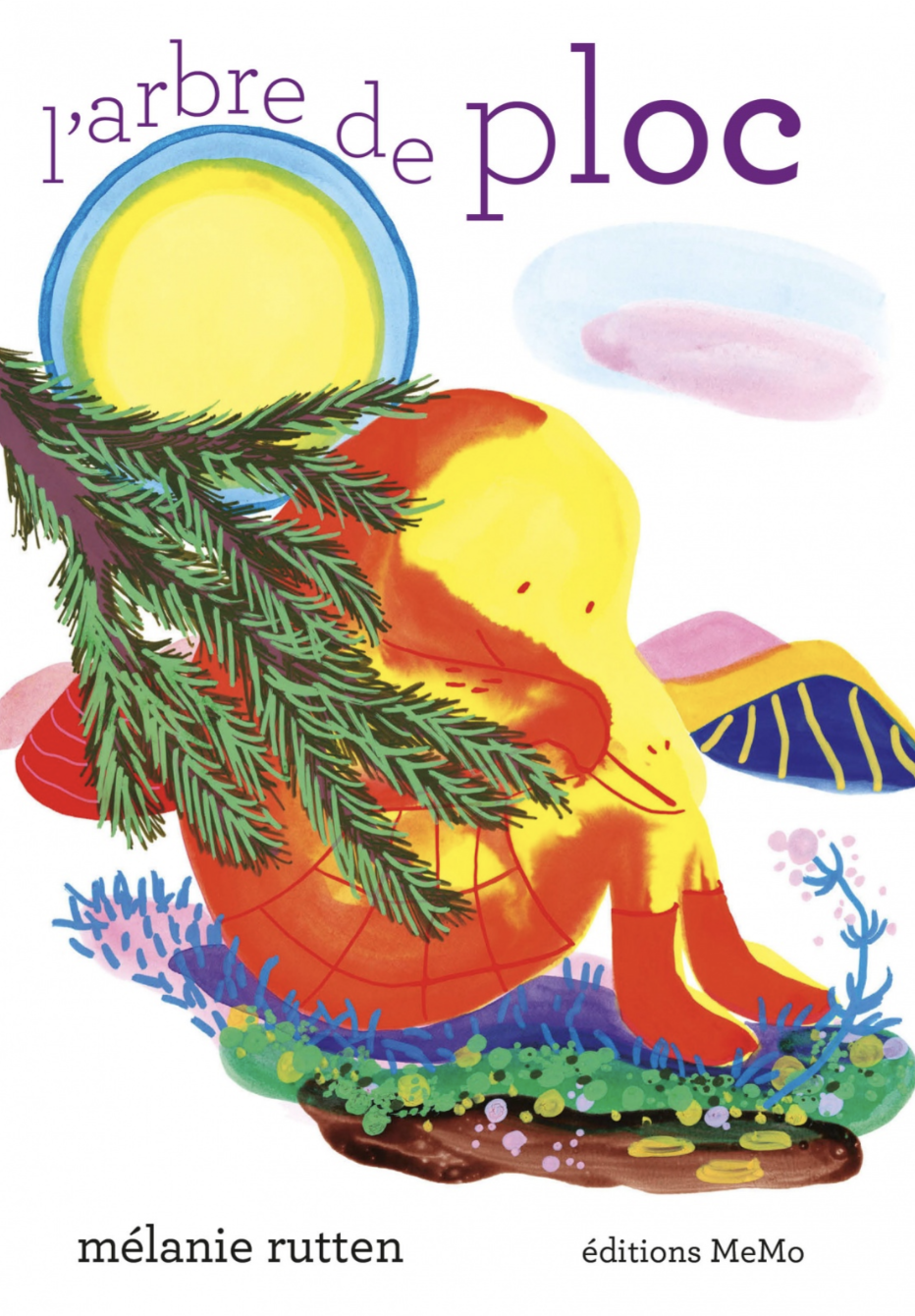
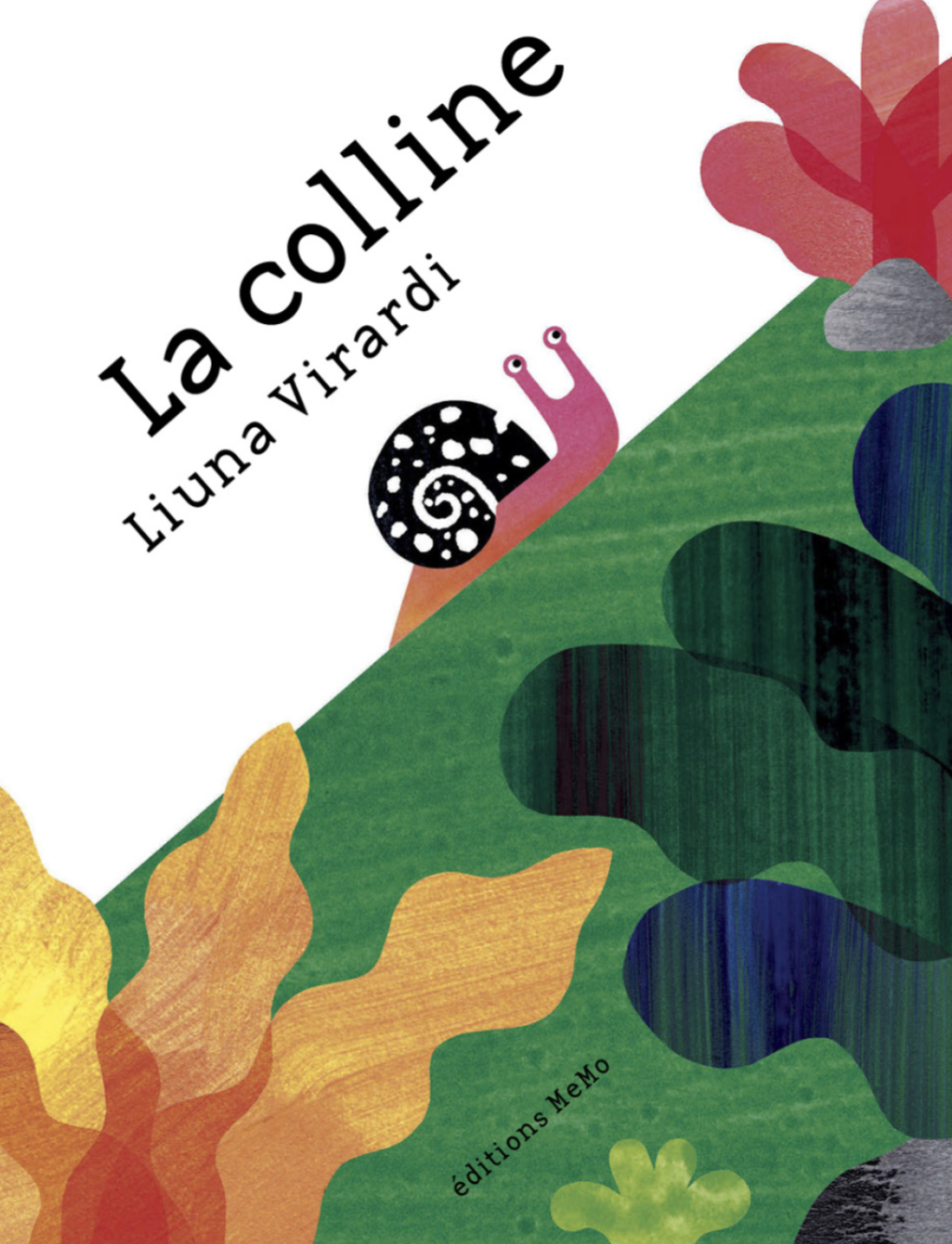
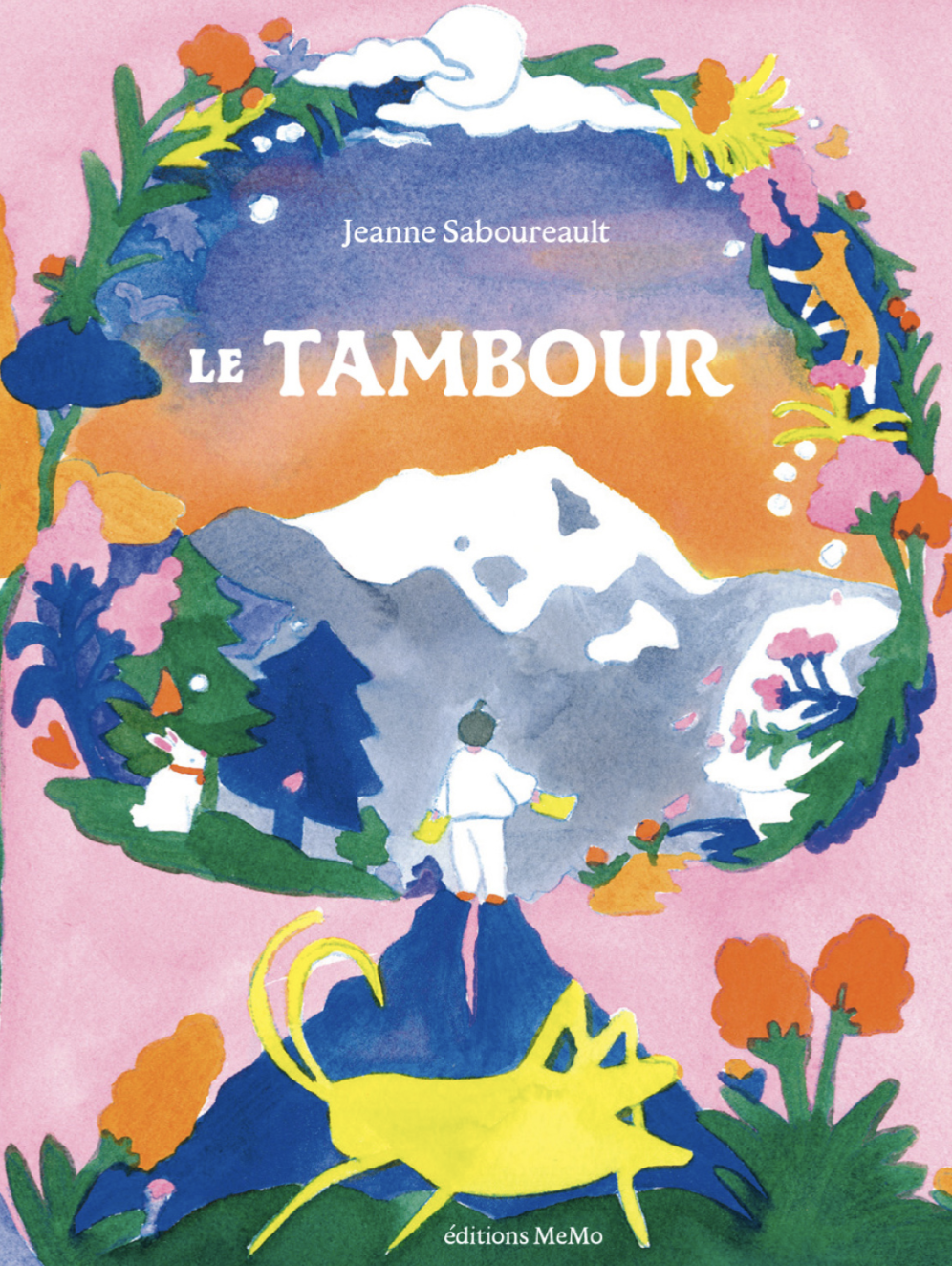
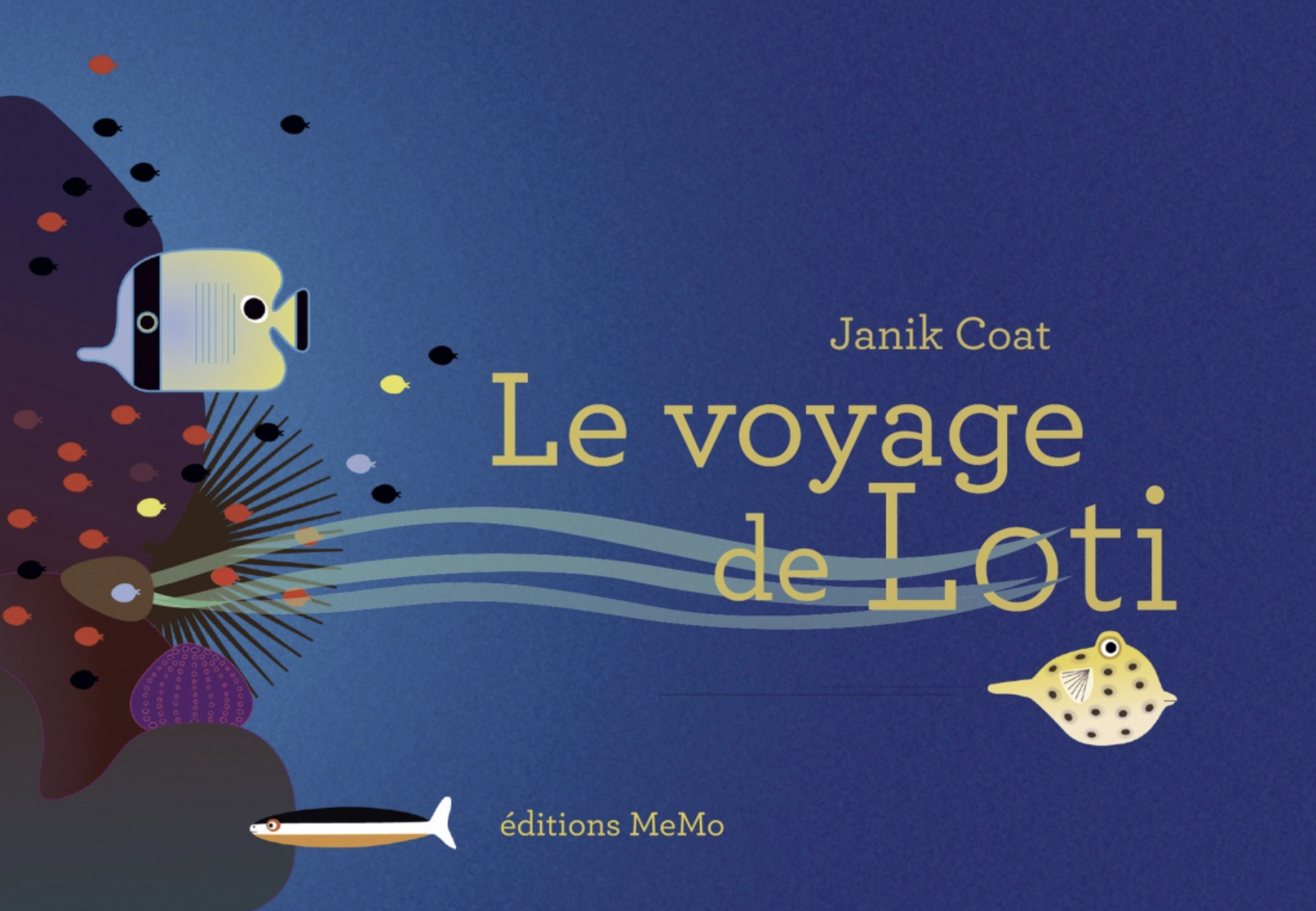
Éditions MeMo (Nantes, est. 1993)

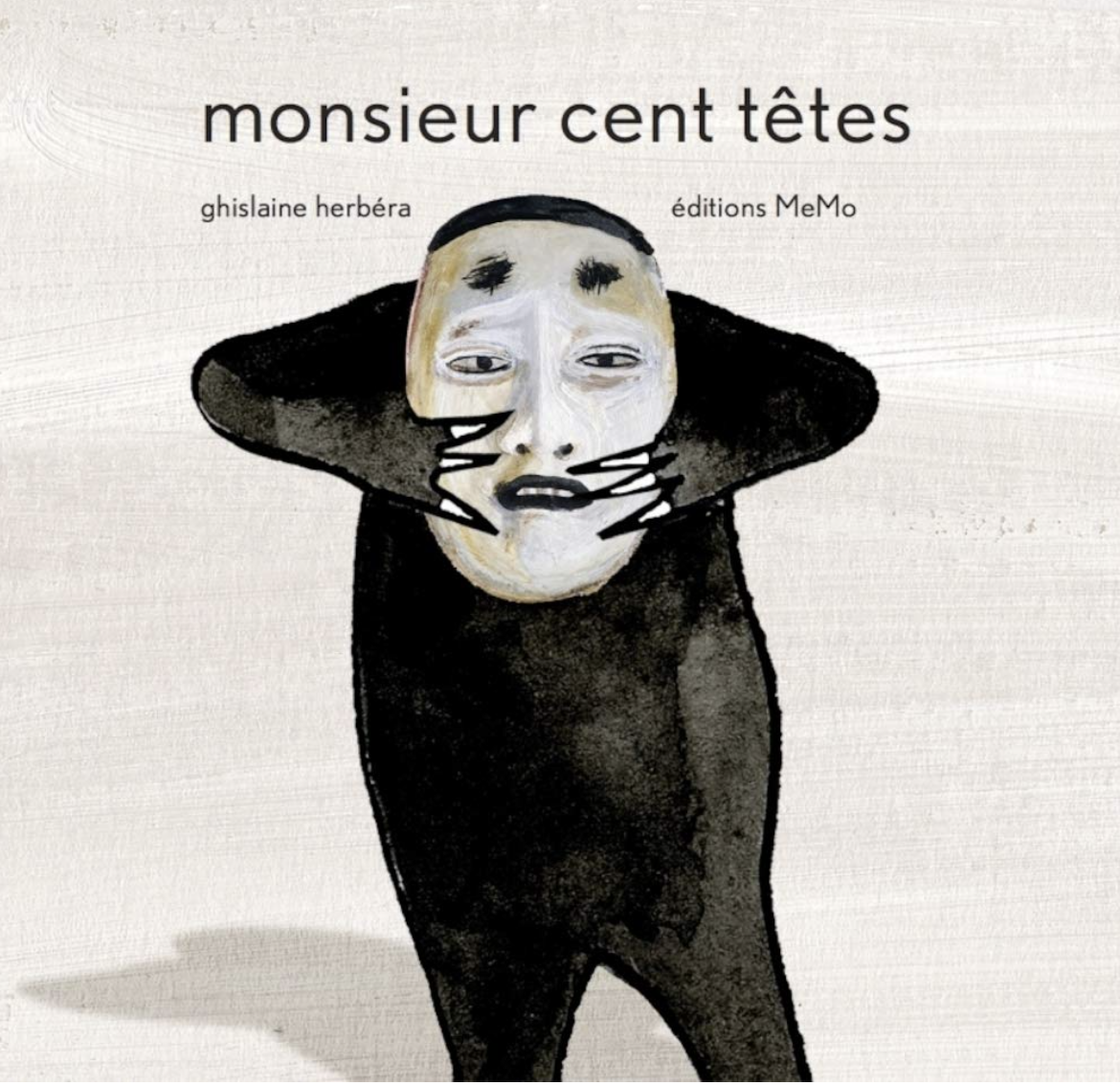
Christine Morault was born in Nantes, studied art at Penninghen and the Académie Julian in Paris, then spent years as a farmer in Amazonia and a cook on a cargo ship before returning home at forty. Her partner Yves Mestrallet trained as an architect and photographer. Together in 1993 they founded a small press to make art books, maps, and exhibition catalogues. The name MeMo is a contraction of Mestrallet + Morault — and, Morault has noted with a shrug, an anagram of môme.

They became a children’s publisher almost by accident. In 1994, the Musée des Beaux-Arts de Nantes asked them to produce a facsimile of Cent comptines, a legendary 1926 collection of nursery rhymes illustrated by the Surrealist painter Pierre Roy — a book that had become so rare and expensive it was essentially lost. Roy had coined the word comptine itself, defining it as “a living genre, perhaps the only truly spontaneous and disinterested literary genre that exists in France,” and he had collected the rhymes “always from the mouths of children” — mainly in western France. To reproduce the tactile quality of Roy’s original, Morault and Mestrallet printed on a typographic letterpress and hand-painted ten thousand cover balls by hand.

À l’insu de notre plein gré

Morault, on how they became children’s publishers — against our will, essentially

From that accidental beginning, a philosophy crystallized: MeMo would be a workshop, not a publishing house. They do photogravure and layout in-house. They use direct-ink spot-color printing rather than standard four-color process, mixing individual inks before printing so that colors land as flat, saturated tints free of halftone grain. All books are sewn, never glued. The paper is thick, uncoated offset stock close to drawing paper — Morault calls it their signature. Mestrallet refuses decorative fonts and dislikes serifs; for one book he sourced the British Railways typeface through an English compositor working in Paris. For André Héllé’s Drôles de bêtes (1911), they decomposed the colors layer by layer — nine separate passes for the cover alone. For the Lebedev and Marshak constructivist picture books of the 1920s, they applied twenty separate color passes to faithfully reproduce the original lithography. When scanners could not capture the subtle nuances, the team resorted to manual photogravure on rhodoid sheets.

MeMo, ce n’est pas juste des papiers, des méthodes d’impression, du temps passé, des compétences de photograveur; c’est avant tout un ensemble de tout ça. C’est un atelier.

Christine Morault

Morault describes herself as a “slow” editor, taking three times longer than competitors to print. The press operates without a marketing department — “on heartfelt conviction” rather than commercial trend-chasing — and publishes roughly twenty titles a year, with a catalogue of over three hundred. It is the only major French children’s publisher based outside Paris, at 5 passage Douard in Nantes. Morault advocates for décroissance — degrowth — in publishing: producing and selling less while improving quality. She has publicly criticized large bookstore chains whose automated systems mark returns for destruction. MeMo itself has never pulped a single book. Damaged or unsold copies go to Biblionef, schools in the Nantes priority education network, migrant assistance associations, and Secours Populaire.

The avant-garde thread

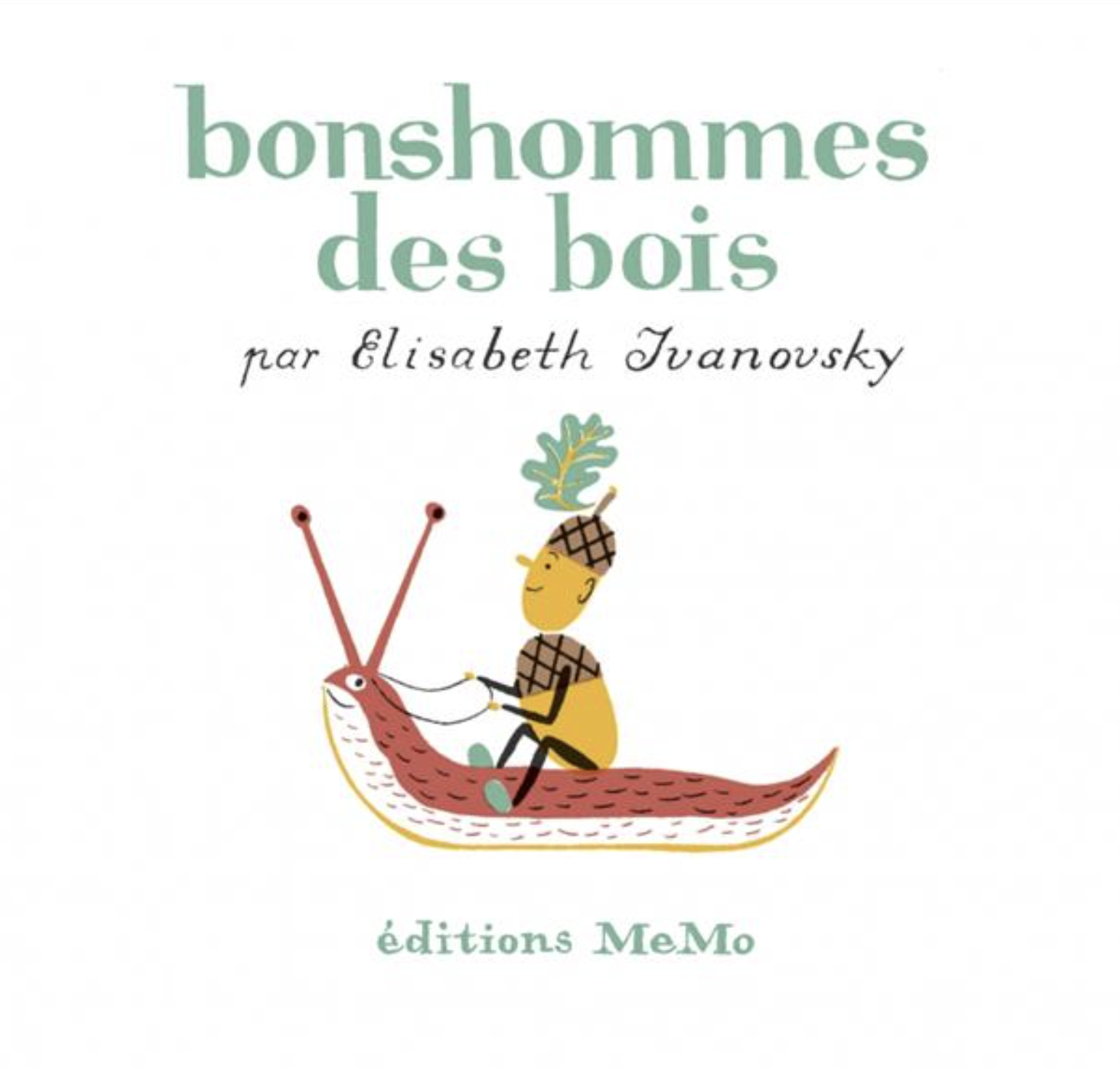
The Pierre Roy facsimile was no accident of taste — it was the first expression of a conviction that the history of children’s illustration is inseparable from the history of the avant-garde. MeMo has spent three decades systematically restoring that link. Through a co-publishing partnership with Les Trois Ourses — the association devoted to artist books for children — they produced El Lissitzky’s suprematist picture book Les deux carrés (1922), Rodchenko and Tretiakov’s Animaux à mimer (1926, published for the first time as a complete book, using the original photographic plates with permission from Rodchenko’s grandson), and four Lebedev and Marshak books from 1925–1927. They reissued Claude Cahun’s photographs for Lise Deharme’s Le cœur de Pic (1937) — nearly half the original prints had been lost, and some of Cahun’s photographs were partly destroyed by the Nazis when she was arrested for resistance activities. They brought back Nathalie Parain, Elisabeth Ivanovsky, Franciszka Themerson. Each restoration involved the same obsessive production fidelity: Morault traveled to Moscow to digitize Rodchenko’s plates and restored Ivanovsky’s CIRKUS color by color.

Rééditer, ce n’est pas recopier. C’est réinventer.

Christine Morault — Reprinting is not copying. It is reinventing.

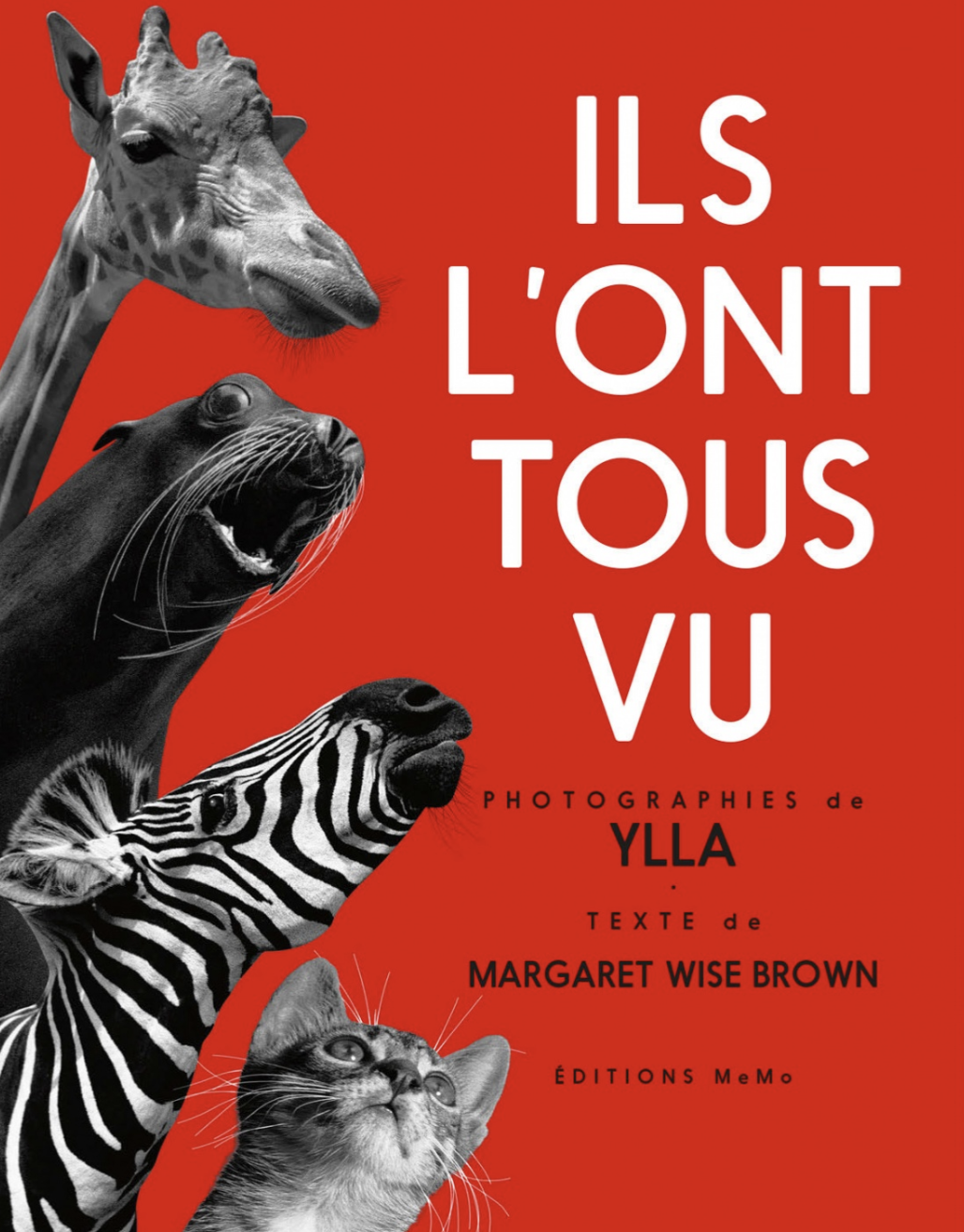
The reissue programme extends beyond the European avant-garde. Under the collection “Les Grandes Rééditions,” MeMo has brought to French readers Margaret Wise Brown and Garth Williams, Crockett Johnson’s Harold books, Dorothy Kunhardt, Walter Crane, Kate Greenaway, and Frédun Shapur. Under “Classiques étrangers pour tous,” Karel Čapek, Shel Silverstein, and Lewis Carroll illustrated by Themerson. In 2015, the Maurice Sendak Foundation chose MeMo to reissue out-of-print Sendak titles in French — thirteen books so far under the collection “Les Trésors de Sendak,” including Kenny’s Window (Sendak’s first as author-illustrator, 1956) and five Ruth Krauss collaborations. The translator for the entire series, Françoise Morvan, was awarded the IBBY International Prize in 2018 for the work. From 2024, MeMo is doing the same for Paul Cox — reissuing his sought-after, long-out-of-print children’s books alongside a deluxe reedition of their 2018 monograph.

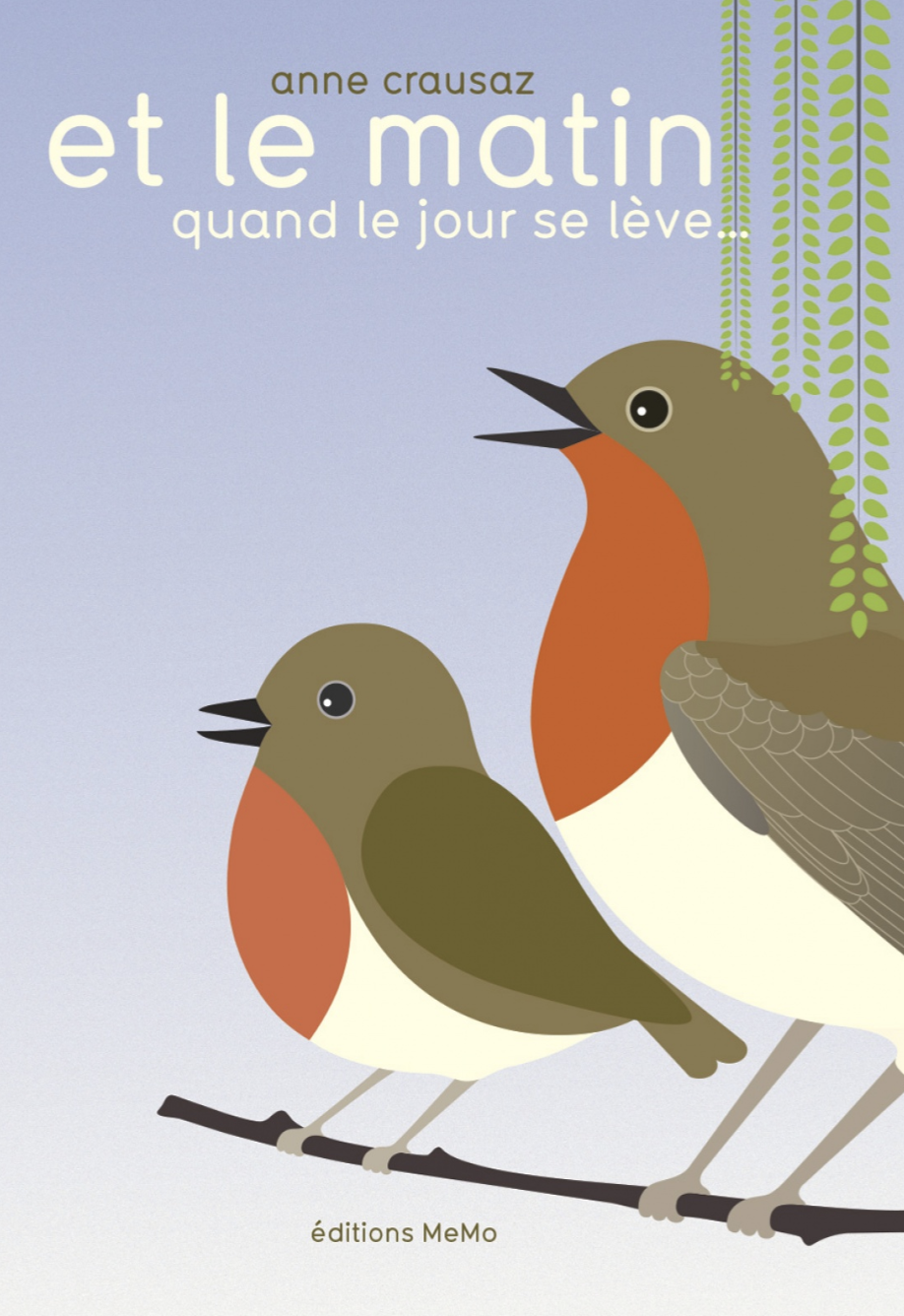
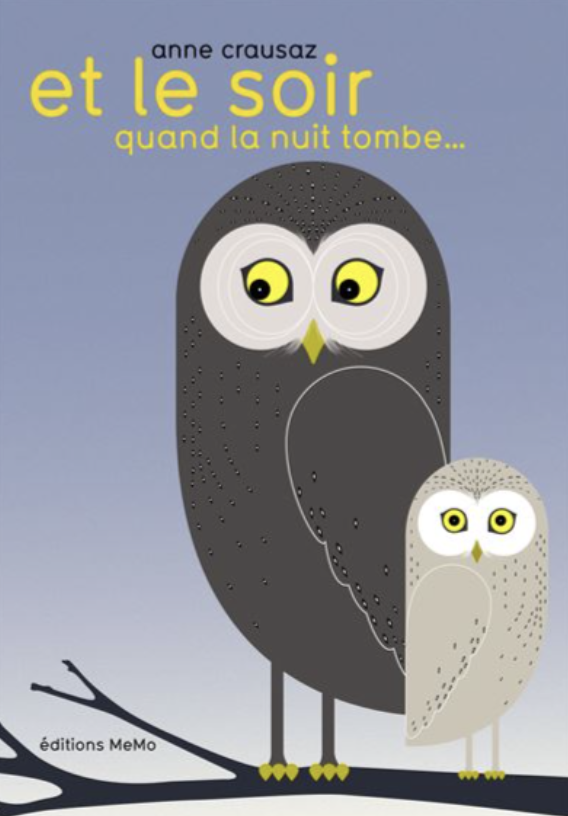
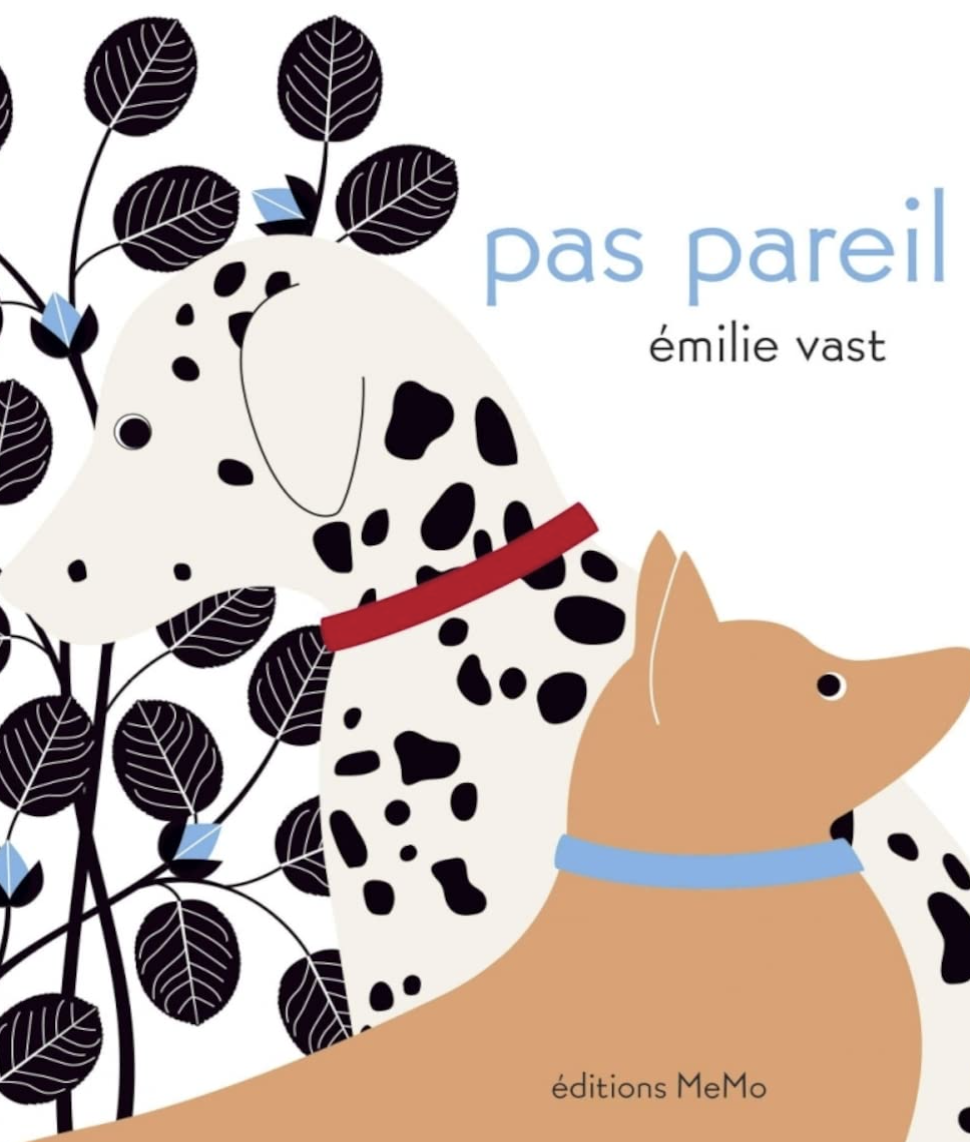
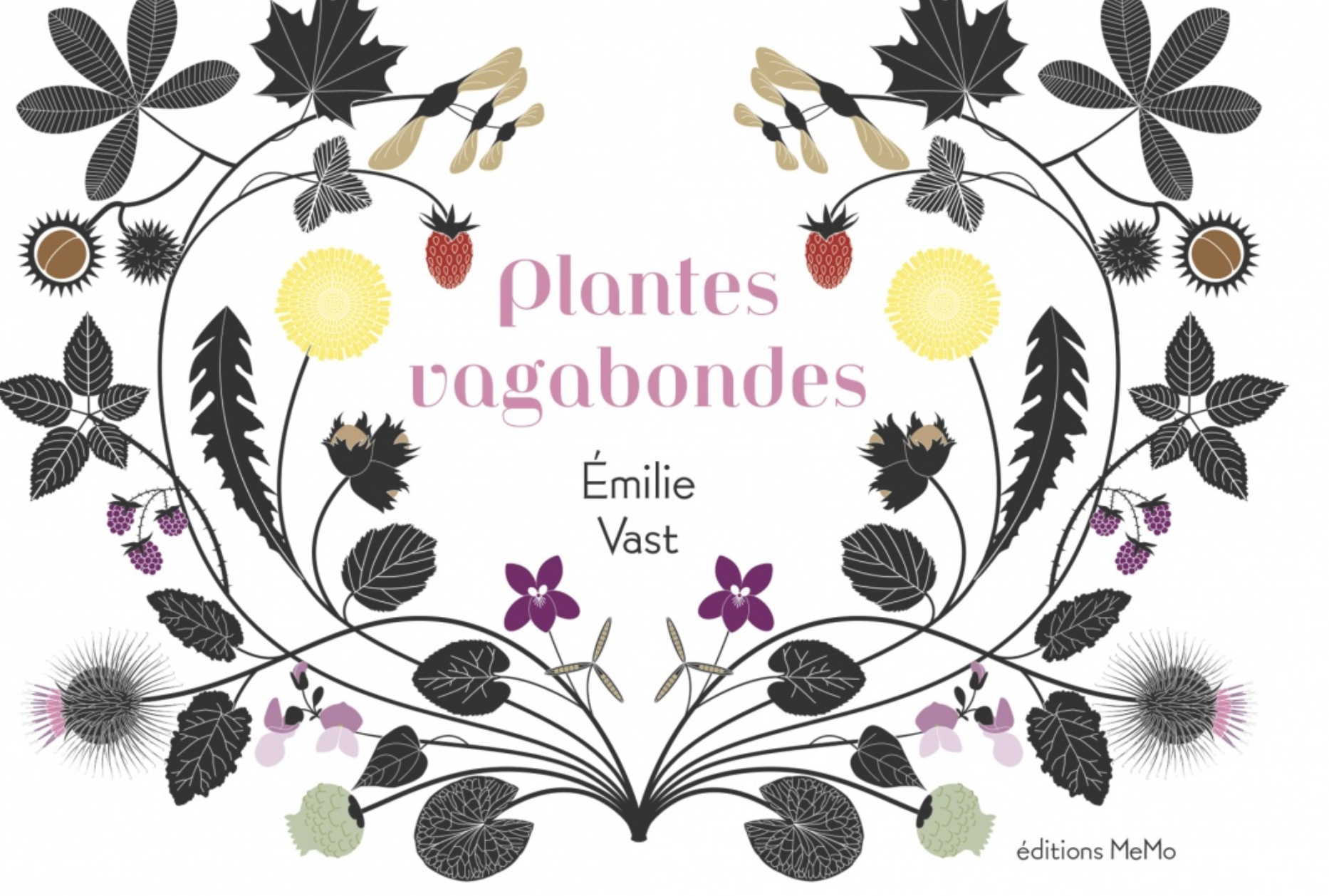
Morault’s phrase for this entire enterprise is precise: “MeMo a mêlé, dès le départ, les œuvres d’avant et celles de maintenant pour qu’apparaissent des continuités littéraires et artistiques” — MeMo has mixed, from the start, the works of before and those of now, so that literary and artistic continuities become visible. The contemporary catalogue — Émilie Vast’s botanical precision, Anne Crausaz’s Prix Sorcières–winning Raymond rêve, Mélanie Rutten’s layered narratives, Junko Nakamura’s quiet domesticity — exists in deliberate dialogue with the reissues. The heritage and the living list illuminate each other.

Un bon livre jeunesse, c’est celui qui s’ouvre quand on le referme.

Christine Morault — A good children’s book is one that opens when you close it.

MeMo’s archives were deposited in 2019 at the Fonds patrimonial Heure Joyeuse — the Médiathèque Françoise Sagan in Paris, home to the great historic collection of illustrated children’s books. They are the only living publisher whose archives are held there. A major exhibition, Lire l’enfance avec les éditions MeMo, ran from November 2022 to March 2023. In 2014, the Tate Gallery and Victoria and Albert Museum commissioned MeMo to print Anne Bertier’s Mercredi — institutional recognition of a production standard that no amount of commercial logic can quite explain. In October 2025, the Italian group Simone Edizioni acquired a majority stake, joining MeMo with Topipittori of Milan in a small network of artisan children’s publishers that can share printing costs and paper purchasing while preserving editorial independence. Morault’s daughter Yara Nascimento entered the capital to maintain family continuity. The workshop, for now, endures.

Award Context

The Caldecott Medal (USA, est. 1938)

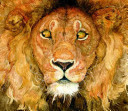
19 winners and honorees in the library

Blueberries for Sal
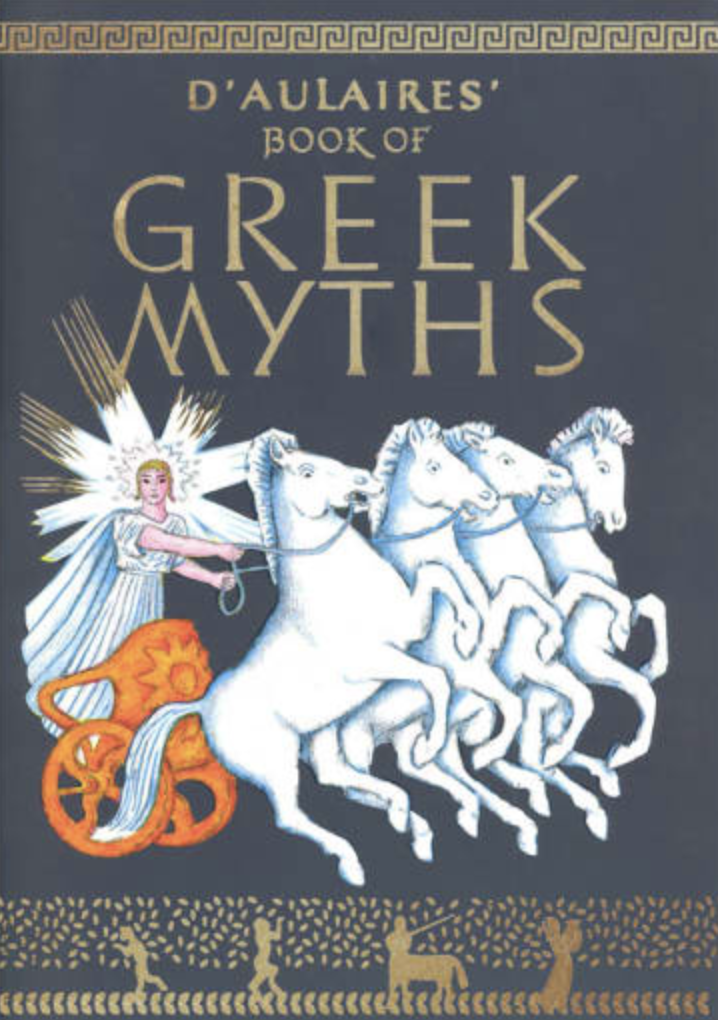
D'Aulaires' Book of Greek Myths
Don't Let the Pigeon Drive the Bus!
Flotsam
Freight Train
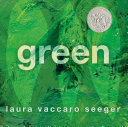
Green
Hello Lighthouse
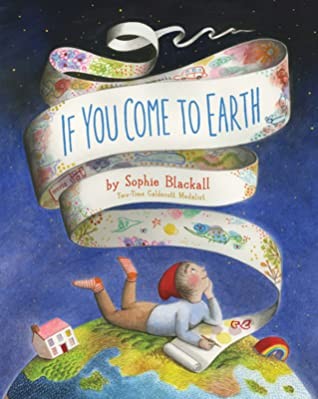
If You Come to Earth
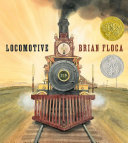
Locomotive
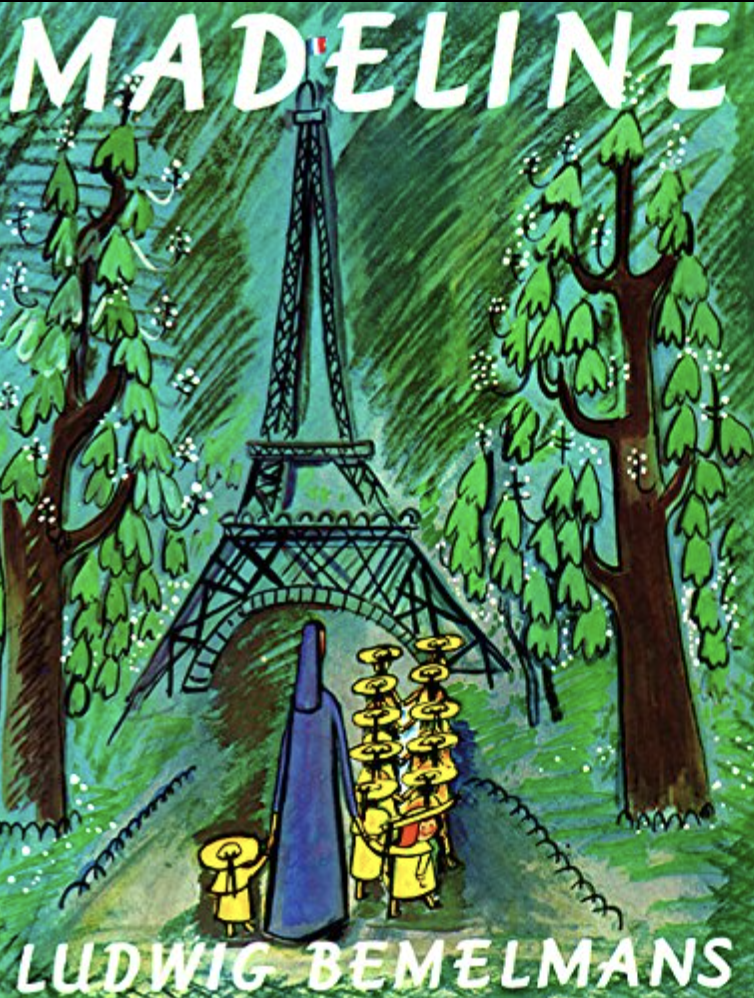
Madeline
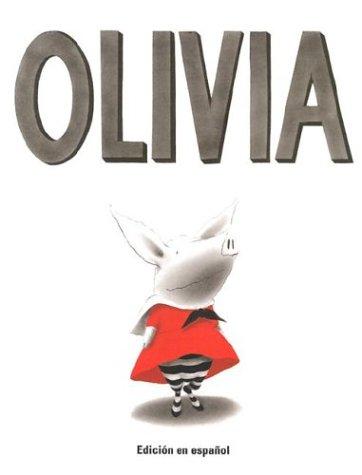
Olivia
Outside Over There
The House in the Night
The Lion & the Mouse
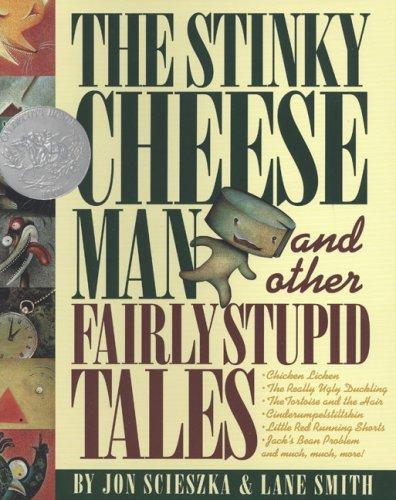
The Stinky Cheese Man and Other Fairly Stupid Tales
The Three Pigs
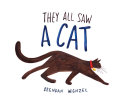
They All Saw a Cat
This Is Not My Hat
Tuesday

The most important award in American children’s illustration, given annually by the ALA to the artist of the most distinguished American picture book.

A Caldecott win can lift sales from 2,000 copies to over 100,000 — but its deeper significance is that it has, for nearly ninety years, defined what the culture considers the highest achievement in visual storytelling for children. Its history is the history of the American picture book.

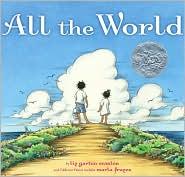
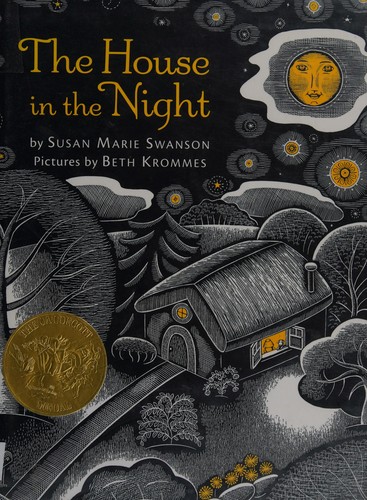
Aliénor’s library contains books by multiple Caldecott winners: Wiesner (3 Medals), Blackall (2 Medals), Klassen, Pinkney, and Floca. Caldecott Honor books in the collection include Don’t Let the Pigeon Drive the Bus!, Olivia, Freight Train, Green, Blueberries for Sal, They All Saw a Cat, Madeline, The House in the Night, and The Stinky Cheese Man.

The Kate Greenaway / Carnegie Medal for Illustration (UK, est. 1955)

4 winners and honorees in the library

Each Peach Pear Plum
Mr. Gumpy's Outing
This Is Not My Hat
We're Going on a Bear Hunt

Britain’s equivalent of the Caldecott, awarded by CILIP (renamed Carnegie Medal for Illustration in 2022).

Where the Caldecott tends to reward narrative ambition and artistic technique, the Greenaway has historically been more receptive to graphic innovation and conceptual daring. Aliénor’s library includes Greenaway winners Burningham (Mr Gumpy’s Outing, 1970), Janet Ahlberg (Each Peach Pear Plum, 1978), and Klassen (This Is Not My Hat, 2014 — the only book in history to win both the Caldecott and the Greenaway, a transatlantic consensus).

The Prix Sorcières (France, est. 1986)

5 winners and honorees in the library

Caché !
Cartes
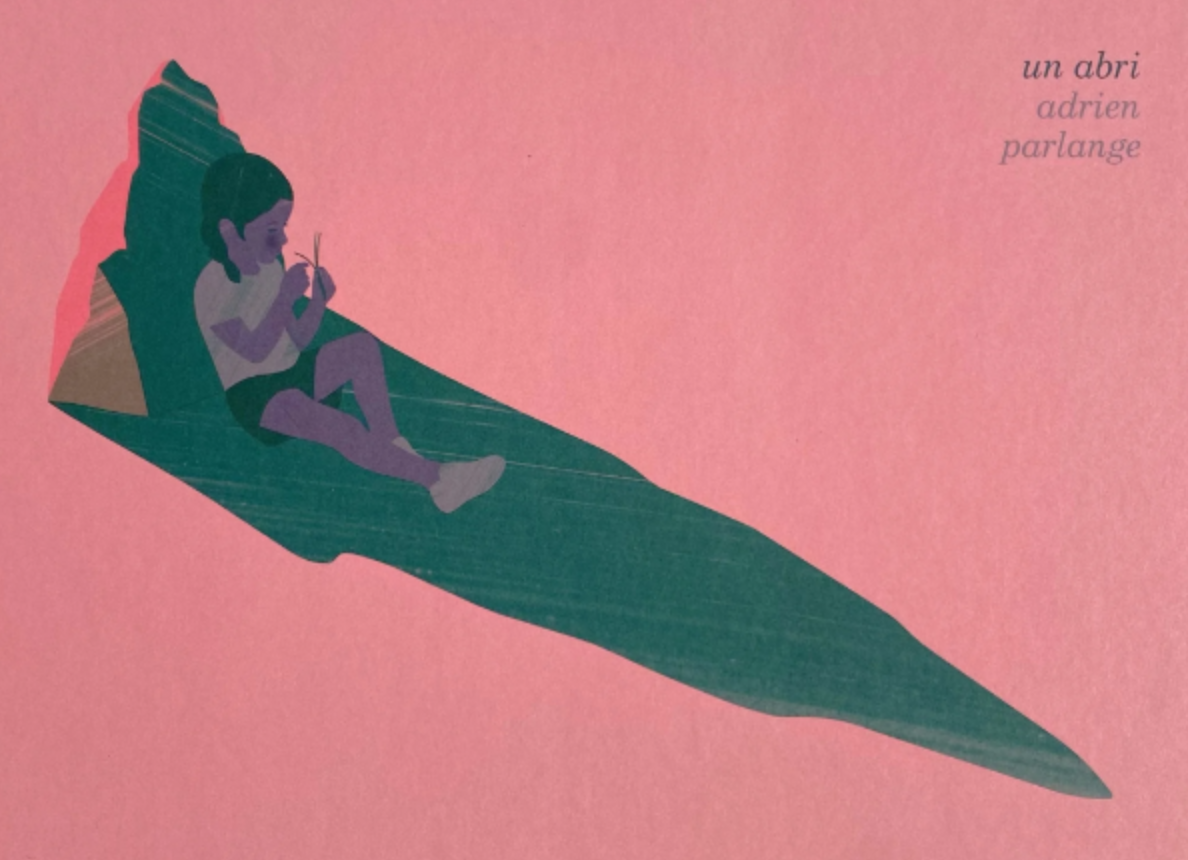
Un abri
Un livre
What Color Is the Wind?

Awarded by the Association des Libraires Spécialisés Jeunesse. What makes the Prix Sorcières unique among major children’s book awards is its “Tout-Petits” category — for ages 0–3.

This treats picture books for the very youngest as a serious art form. No equivalent category exists in the Caldecott or Greenaway systems. This institutional recognition both reflects and reinforces the French conviction that babies deserve art.

Aliénor’s library includes recipients Cartes (Mizięlińska, 2013) and authors with lifetime Prix Sorcières Spécial recognition: Ponti (2006) and Dedieu (2010).

The Theodor Seuss Geisel Award (USA, est. 2006)

2 winners and honorees in the library

I Want My Hat Back
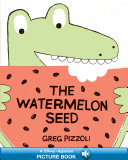
The Watermelon Seed

Given by the ALA to the most distinguished American book for beginning readers — the transition zone between picture books and independent reading.

Named after Dr. Seuss, whose Beginner Books imprint (founded 1957) invented the category. Aliénor’s library includes Geisel winner The Watermelon Seed (Pizzoli, 2014) and Honor recipient I Want My Hat Back (Klassen, 2012).

The Prix des Incorruptibles (France, est. 1988)

2 winners and honorees in the library

Shh! We Have a Plan
Si tous les éléphants s'appellaient Bertrand

France’s largest children’s book prize by number of voters: over 400,000 schoolchildren cast ballots annually — making it the most democratic literary prize in the world.

Where the Prix Sorcières represents expert librarian judgment, the Incorruptibles represent the audience itself. Aliénor’s library includes winner Si tous les éléphants s’appelaient Bertrand (Manceau, 2011–2012).